
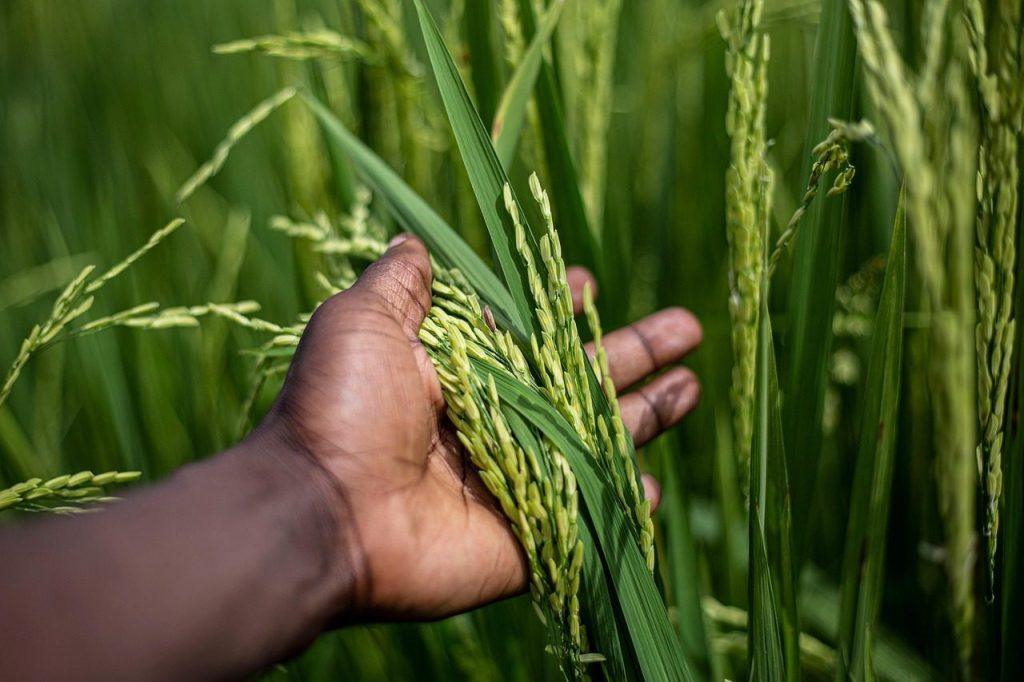
Agriculture remains a cornerstone of Zambia’s economy, employing a significant share of the population and serving as a vital source of income for rural communities. Despite its importance, the sector has long faced obstacles ranging from inadequate transport networks and storage facilities to limited access to markets and modern farming technologies. The enhanced partnership aims to address many of these constraints while creating conditions for long-term growth.
Officials from both countries say the revised program will focus on improving infrastructure that supports agricultural production and trade. Investments in transportation, logistics and related systems are expected to help farmers move goods more efficiently, reduce post-harvest losses and expand access to domestic and regional markets. Such improvements could play a crucial role in increasing agricultural competitiveness and boosting rural incomes.
The agreement comes as Zambia continues to pursue economic reforms aimed at diversifying its economy beyond mining. Policymakers have increasingly identified agriculture as a strategic sector capable of driving job creation, enhancing food security and attracting private investment. Expanding support for the industry is viewed as essential to achieving broader development goals and strengthening economic resilience.
The United States has positioned the partnership as part of a wider effort to support sustainable development and economic opportunity across Africa. By investing in infrastructure and agricultural systems, development agencies hope to unlock productivity gains while helping communities adapt to challenges such as climate change, fluctuating commodity prices and population growth.
Analysts note that improving agricultural infrastructure often delivers benefits beyond the farm sector. Better roads, storage facilities and market access can stimulate trade, encourage entrepreneurship and support broader economic activity in underserved regions. These investments can also strengthen regional supply chains, helping countries respond more effectively to food shortages and market disruptions.
For Zambia, the expanded grant represents an opportunity to accelerate modernization within a sector that remains central to the nation’s future. For the United States, it reinforces a long-standing development partnership focused on promoting sustainable growth and economic stability. If successfully implemented, the initiative could help transform agricultural productivity while improving livelihoods for millions of Zambians in the years ahead.
