
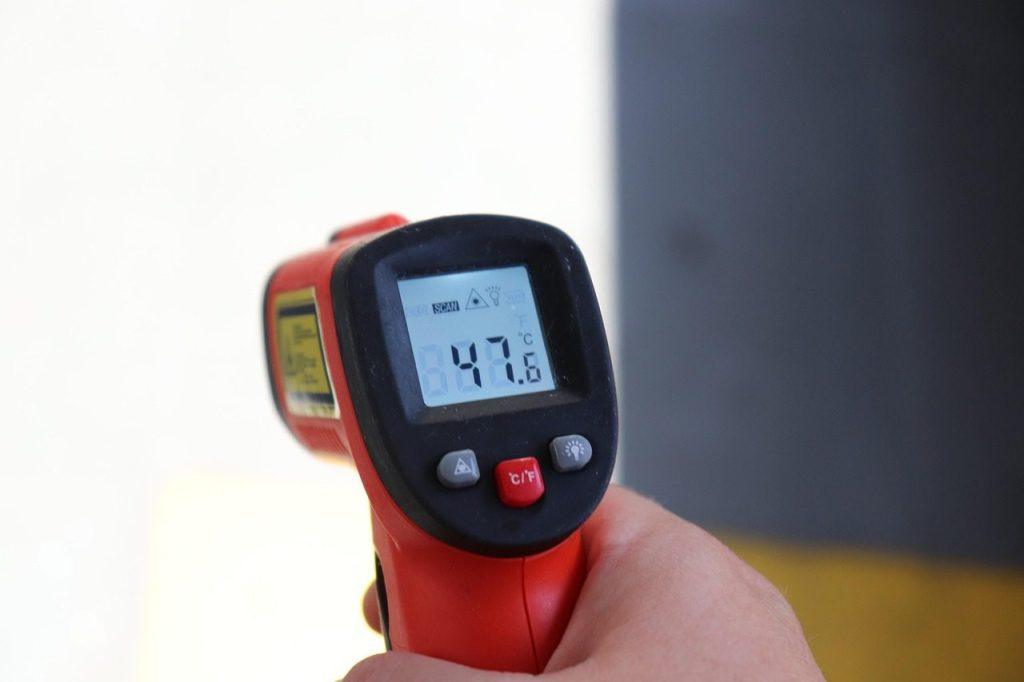
In response, several African countries are adopting innovative adaptation measures. Burkina Faso has introduced a national heatwave alert system accompanied by public awareness campaigns encouraging residents to stay hydrated and avoid prolonged exposure during peak temperatures. Senegal has expanded similar heat response initiatives nationwide, reflecting a broader shift toward treating extreme heat as a major public health emergency rather than a seasonal inconvenience.
Urban planners are also embracing nature-based solutions to cool cities. Accra, Freetown, Johannesburg and Nairobi are investing in tree planting, rooftop gardens, green roofs and urban agriculture to reduce surface temperatures while improving air quality and public spaces. In South Africa and Ghana, reflective roof coatings are being introduced to lower indoor temperatures, offering an affordable way to improve living conditions in neighborhoods where access to air conditioning remains limited.
The effects of extreme heat extend well beyond public health. High temperatures are increasingly disrupting transportation networks, damaging roads and rail infrastructure, and affecting the reliability of essential public services. Morocco has begun incorporating climate resilience into road construction, while Mauritania has adjusted railway maintenance practices to withstand prolonged periods of extreme heat. Governments are also reviewing workplace regulations to better protect outdoor workers whose livelihoods are increasingly threatened by rising temperatures.
Climate specialists argue that long-term adaptation will require sustained investment in resilient infrastructure, improved housing and better urban planning. They have also called for greater international climate financing, noting that although African countries contribute only a small share of global greenhouse gas emissions, they are among the regions most vulnerable to climate-related risks. Expanding green infrastructure, strengthening building standards and improving heat forecasting systems are viewed as essential steps toward safeguarding rapidly growing urban populations.
Africa’s cities are expected to absorb hundreds of millions of new residents over the coming decades, making climate resilience an increasingly urgent priority. Without proactive adaptation, experts warn that extreme heat could undermine economic growth, overwhelm public services and reduce the quality of life in many urban centers. The measures already being adopted across the continent demonstrate that while rising temperatures present significant challenges, practical and innovative solutions can help cities become safer, healthier and more resilient.
