
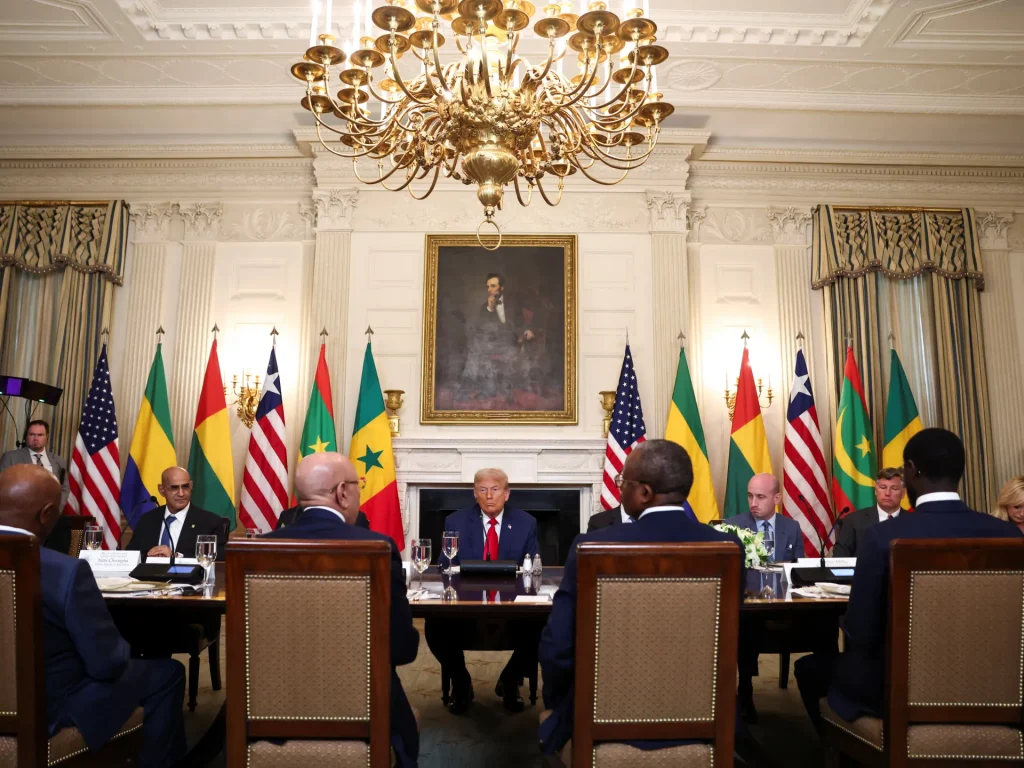
Officials described the framework as a departure from traditional aid models that relied heavily on grant-driven support through multilateral institutions. Instead, the new compacts emphasize co-investment, shared accountability and national ownership of health priorities, a diplomatic shift that aligns with the administration’s broader foreign policy pivot.
Under the agreements, countries will direct support toward longstanding public health challenges, including HIV/AIDS, malaria and tuberculosis. The accords also target maternal and child health and bolster readiness for future epidemics. Each pact sets specific objectives and timelines, with mechanisms designed to measure progress and outcomes.
In Ethiopia, the largest of the four agreements, U.S. and Ethiopian officials have outlined a cooperative effort valued at more than $1.46 billion, directed at strengthening infectious-disease control and enhancing outbreak response capacity. Botswana’s deal, worth roughly $487 million, centers on sustaining progress against HIV while modernizing crucial health data infrastructure. Sierra Leone’s compact prioritizes malaria reduction and surveillance systems, and Madagascar’s plan focuses on maternal health, malaria care and epidemic response.
Administration officials have said that the new model reflects a belief that long-term health outcomes are best achieved through partnership rather than unilateral aid, shifting responsibility for financing and implementation gradually toward African governments.
Critics, however, have raised concerns that the strategy may reduce the overall level of support available for essential health services, especially in countries that previously received larger allocations through established aid channels. Global health advocates also caution that stricter performance and co-financing requirements may strain already tight national budgets.
The four agreements add to a growing list of bilateral health cooperation pacts the United States has negotiated across Africa in recent weeks, as the administration seeks to recast its global health engagement in transactional terms that stress mutual benefit and accountability.
