
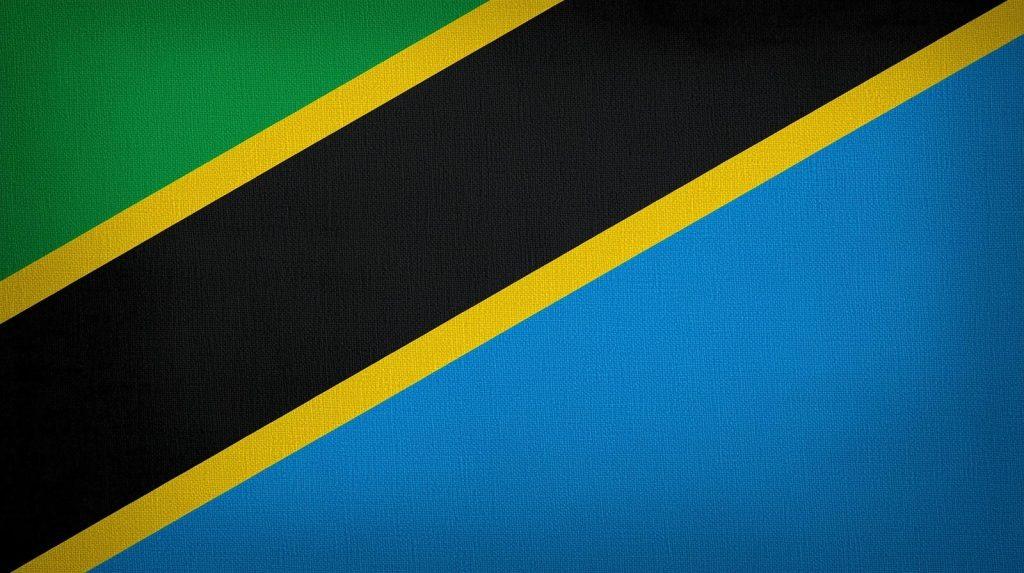
In the latest industry rankings assessing investment attractiveness, Tanzania rose to fourth place in Africa, behind only Botswana, Morocco and Zambia. The improvement marks one of the most significant gains among African mining jurisdictions and suggests that investors are beginning to reconsider the country after years of regulatory uncertainty.
For companies seeking new opportunities, the appeal is straightforward. Tanzania sits atop a diverse range of mineral resources, including gold, nickel, graphite and rare earth elements—commodities that are increasingly important in manufacturing, infrastructure and emerging energy technologies. As global demand for these materials continues to grow, exploration firms are looking for regions where geological potential aligns with improving investment conditions.
The country’s rising profile also coincides with a period of steady economic expansion. Tanzanian officials have emphasized mining as a central pillar of national development, arguing that the sector can help drive industrial growth, export earnings and job creation in one of East Africa’s fastest-growing economies.
Yet the industry’s renewed optimism comes with a measure of caution. In recent years, Tanzania introduced sweeping regulatory reforms aimed at increasing the government’s share of revenue from natural resources. The changes unsettled some investors, who expressed concern over shifting rules on ownership, taxation and local participation.
While relations between the government and mining companies have gradually stabilized, investors remain attentive to the policy environment. For many firms, Tanzania represents both opportunity and risk: a country rich in resources but still navigating the balance between attracting foreign capital and asserting greater national control over its mineral wealth.
Even so, the trajectory of the sector appears to be changing. With exploration budgets expanding and investor sentiment improving, Tanzania is increasingly being viewed as a rising force in Africa’s mining landscape.
Whether that momentum translates into sustained investment will depend on more than geology alone. For Tanzania, the challenge now is to demonstrate that the policy stability investors seek can keep pace with the promise beneath its soil.
