
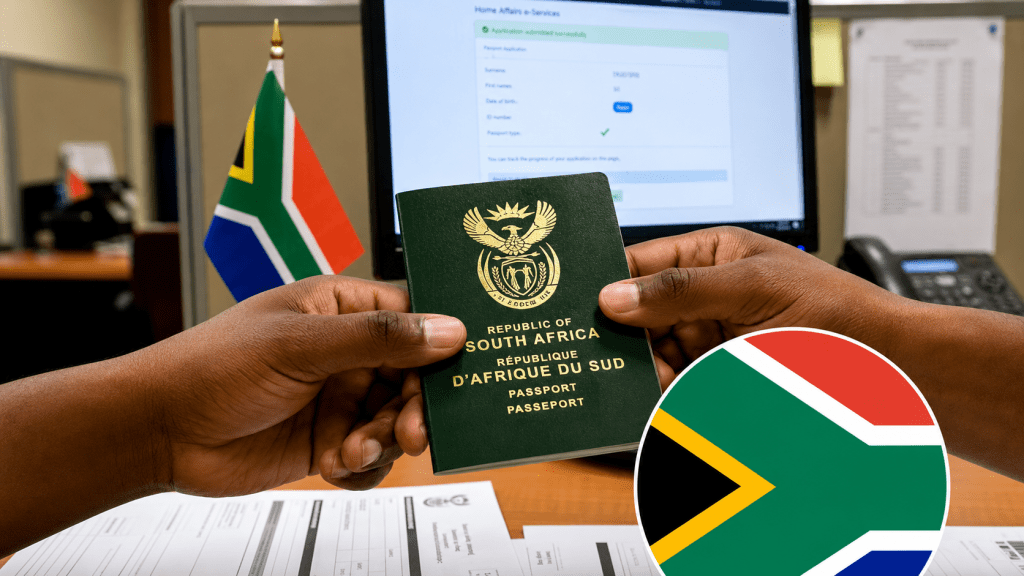
For South Africa, the system represents more than a technological upgrade. The government sees faster and more predictable visa processing as an important part of its strategy to attract tourists, business travellers and investors while strengthening security at the country’s borders.
The Department of Home Affairs formally introduced the new processing charge through amendments to immigration fee regulations gazetted on August 17. The ETA had previously operated without a processing fee during its initial phase because the platform did not yet have an integrated online payment system.
Despite the introduction of the 500 rand charge, the new system could substantially reduce the overall cost for many travellers who require visas. Under the previous process, applicants could pay a total of about 1,975 rand when visa and outsourced processing charges were combined. Under the ETA structure, the combined cost is expected to fall to about 925 rand, representing a saving of roughly 1,050 rand.
That reduction is central to the government’s argument for digitization. By processing applications directly through an online government platform, South Africa aims to reduce dependence on external visa service providers and eliminate some of the administrative expenses that have made applications costly and inconvenient.
The ETA system itself has been developing since October 2025, when South Africa began piloting the technology for nationals from selected countries. The initial rollout included eligible travellers from China, India, Indonesia and Mexico, allowing authorities to test the platform before extending it to a larger number of visitors.
President Ramaphosa formally launched the expanded system on August 12, describing digital immigration reform as part of South Africa’s broader effort to make the country more accessible to international visitors. The government plans to gradually add more nationalities as the technology and supporting infrastructure are expanded.
Travellers from countries that require visas to enter South Africa will eventually be required to use the ETA once their nationality is incorporated into the platform. For visitors from visa-exempt countries, participation will initially remain voluntary, preserving existing visa-free arrangements while giving travellers the option of using the digital system.
The reforms could have particular significance for South Africa’s tourism industry. Faster visa processing can make a destination more competitive, especially for travellers making decisions at relatively short notice. Hotels, airlines, restaurants, tour operators and conference organizers all stand to benefit if simpler entry procedures translate into increased international arrivals.
Business travel could also become easier. South Africa is a major corporate and financial center for the continent, regularly hosting international conferences, investment meetings and trade events. A more efficient immigration system could reduce administrative barriers for executives and investors while supporting Johannesburg, Cape Town and other cities competing for international business.
The introduction of the fee is also intended to make the ETA financially sustainable. Home Affairs Minister Leon Schreiber said the initial system had effectively been fully subsidized by the government. Integrated online payments will allow applicants to contribute toward the cost of operating and maintaining the digital infrastructure as it expands.
South Africa’s move reflects a wider global shift toward electronic border management. Governments are increasingly using digital travel authorisations and electronic visas to conduct checks before passengers arrive while reducing paperwork and congestion at traditional immigration offices.
For South Africa, the challenge will be ensuring that the technology remains reliable as millions of potential travellers are gradually incorporated into the system. But the combination of lower overall application costs, digital processing and faster decisions offers the country an opportunity to make its borders both more efficient and more welcoming.
The 500 rand fee therefore represents only one part of a much larger reform. As the ETA expands, South Africa is seeking to turn immigration modernization into an economic advantage, making it easier for tourists, investors and business travellers to enter the country while building a faster and more secure border-management system.
