
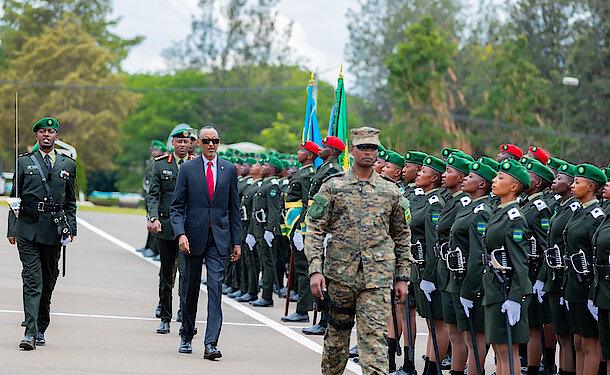
Rwanda has carved out a reputation in recent decades for contributing troops and specialists to peacekeeping missions across the African continent. Its expanding role in international disaster response, particularly outside traditional regional theatres, signals a strategic shift toward what analysts describe as “soft power”: the use of humanitarian assistance and technical cooperation to cultivate diplomatic goodwill and strengthen bilateral ties.
Before departing for Kingston, the engineers were briefed by Brigadier General Faustin Tinka, commander of Rwanda’s mechanized division, who emphasized professionalism and the importance of making a tangible impact in communities still recovering from storm damage. “It is these values that earned you this responsibility,” Brigadier General Tinka said, urging the team to uphold the highest standards.
The mission also highlights Rwanda’s evolving security diplomacy. While many African military deployments abroad have historically centered on peacekeeping under multinational mandates, Rwanda’s presence in Jamaica is focused on technical support and public works, a comparatively rare assignment for African forces in the Americas.
For Kingston, the Rwandan engineers bring skills that local authorities and international partners say could accelerate reconstruction efforts and improve resilience to future storms. Officials in both countries have framed the cooperation as mutually beneficial: Jamaica receives urgently needed technical assistance, and Rwanda can showcase its capacity as a dependable partner on the world stage.
The deployment comes at a time when smaller nations are seeking new ways to assert their presence on the global stage. By leveraging expertise in logistics, engineering and crisis response, Rwanda is expanding a form of foreign policy that balances defense cooperation with humanitarian engagement, an approach that government officials say strengthens diplomatic bonds and broadens economic and technical partnerships.
