
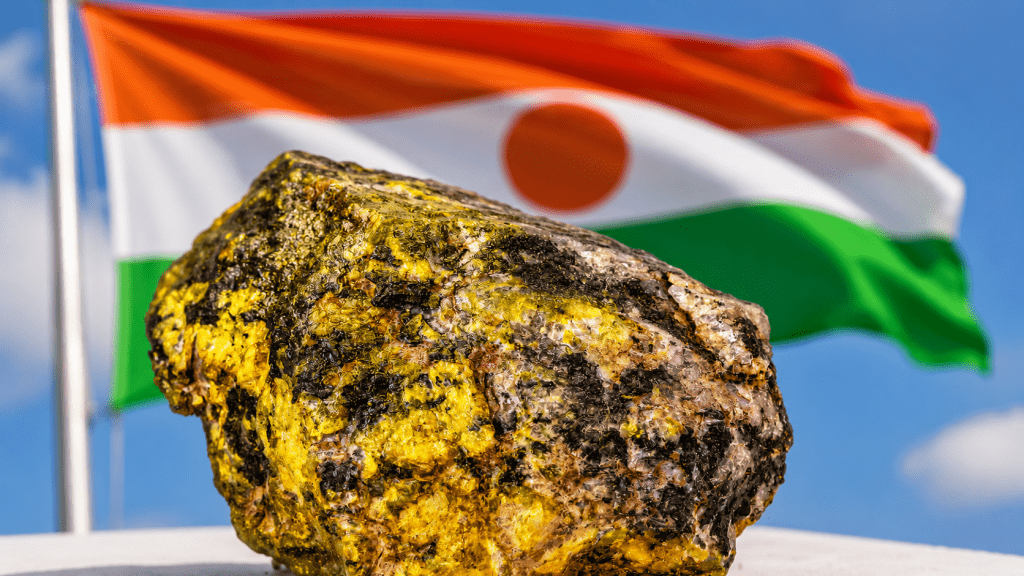
The uranium stockpile, estimated at more than 1,000 tonnes, has become one of the most closely watched strategic mineral assets in Africa. Stored near Niamey, the material has drawn growing international attention as governments seek secure supplies of uranium to support expanding nuclear energy programmes and strengthen long-term energy security.
For Niger, the negotiations represent more than a potential commercial transaction. They reflect the country’s broader effort to diversify export markets after decades in which France dominated its uranium industry. By engaging a wider range of international buyers, Niger hopes to increase competition, improve pricing and secure greater economic returns from one of its most valuable natural resources.
Romania’s interest also highlights the growing importance of nuclear energy in Europe’s evolving energy strategy. As countries seek to reduce dependence on fossil fuels while maintaining reliable electricity supplies, demand for uranium has increased steadily. Securing additional fuel supplies has therefore become a strategic priority for several European utilities operating nuclear power plants.
Niger remains one of the world’s leading uranium producers and possesses some of the highest-grade uranium deposits globally. The mineral has long been a cornerstone of the country’s export economy, contributing significantly to government revenues and foreign exchange earnings. In recent years, however, authorities have pursued policies aimed at increasing domestic control over the mining sector and ensuring that a larger share of mineral wealth remains within the national economy.
The government’s reforms have reshaped relationships with international mining companies while opening opportunities for new commercial partnerships. Officials have indicated that future agreements will place greater emphasis on transparency, value creation and national participation, reflecting a broader trend across Africa toward resource beneficiation and increased state involvement in strategic industries.
Beyond mining, the negotiations illustrate how critical minerals are becoming an increasingly important element of global diplomacy. Uranium is now viewed not only as a commercial commodity but also as a strategic resource essential to energy security, industrial competitiveness and the global transition toward lower-carbon electricity generation. Countries able to supply reliable sources of the mineral are likely to play an increasingly influential role in international energy markets.
While discussions between Niger and Romania are still ongoing, they demonstrate that international interest in the country’s uranium resources remains strong despite recent political changes. If an agreement is reached, it could mark the beginning of a broader diversification of Niger’s uranium exports while reinforcing the country’s ambition to build a more competitive, sovereign and internationally connected mining sector.
