
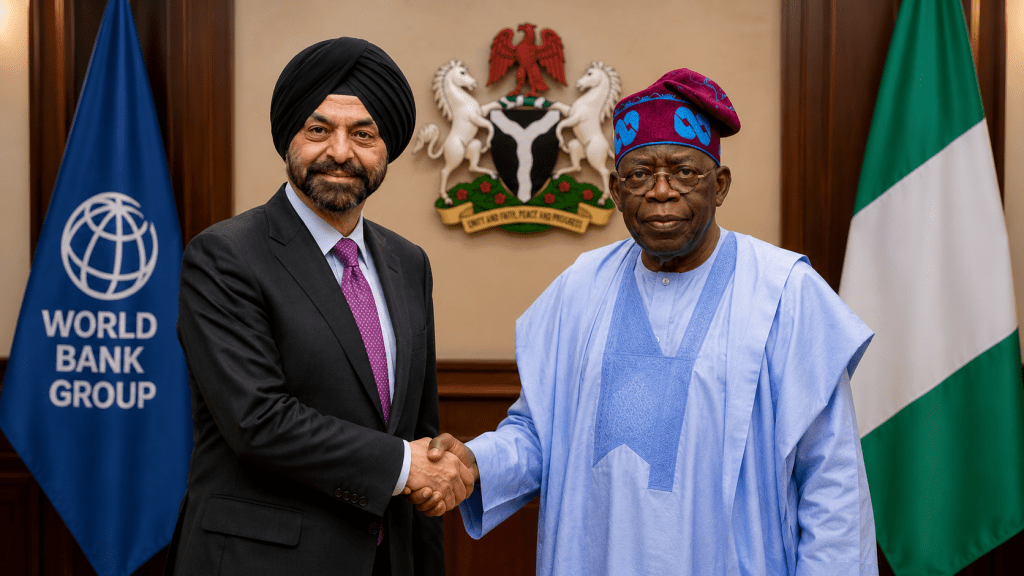
The financing package targets several sectors considered critical to inclusive economic growth. The World Bank expects the program to provide improved electricity access to approximately 32 million people, expand broadband connectivity to nearly 58 million, improve healthcare and nutrition services for about 40 million citizens and support more than 9.5 million farmers through better agricultural inputs and productivity initiatives.
The new framework builds on a series of economic reforms introduced by the Nigerian government over the past two years. Those measures, including changes to foreign exchange management and fuel subsidy policies, have contributed to stronger public revenues, improved foreign exchange reserves and a gradual recovery in economic growth. The World Bank believes the next challenge will be ensuring that these macroeconomic gains translate into higher living standards and broader employment opportunities.
A key element of the strategy is mobilizing private capital rather than relying solely on public spending. The World Bank plans to use a combination of financing, guarantees and policy support to encourage greater investment in infrastructure, manufacturing, digital services and agriculture. Officials argue that private enterprise will be essential to generating the millions of jobs needed to meet the demands of Nigeria’s rapidly growing and youthful population.
The initiative also seeks to strengthen Nigeria’s long-term competitiveness by modernizing financial markets, improving digital regulations, expanding rural electrification and facilitating regional trade. Together, these reforms are intended to create a more predictable investment climate while helping businesses grow and integrate into regional and global value chains.
Development economists have long argued that sustained job creation will be one of Nigeria’s defining economic challenges over the coming decades. With one of the world’s fastest-growing populations, the country must generate millions of new employment opportunities each year to reduce poverty and harness its demographic advantage. The World Bank’s latest strategy reflects a broader shift toward prioritizing employment as the central measure of economic success, with infrastructure and regulatory reforms serving as the foundation for private sector-led growth.
For Nigeria, the new partnership represents more than another development financing package. It signals international confidence in the country’s reform agenda and its capacity to attract investment despite a challenging global economic environment. If successfully implemented, the strategy could help strengthen economic resilience, stimulate entrepreneurship and lay the groundwork for more inclusive and sustainable growth over the next decade.
