
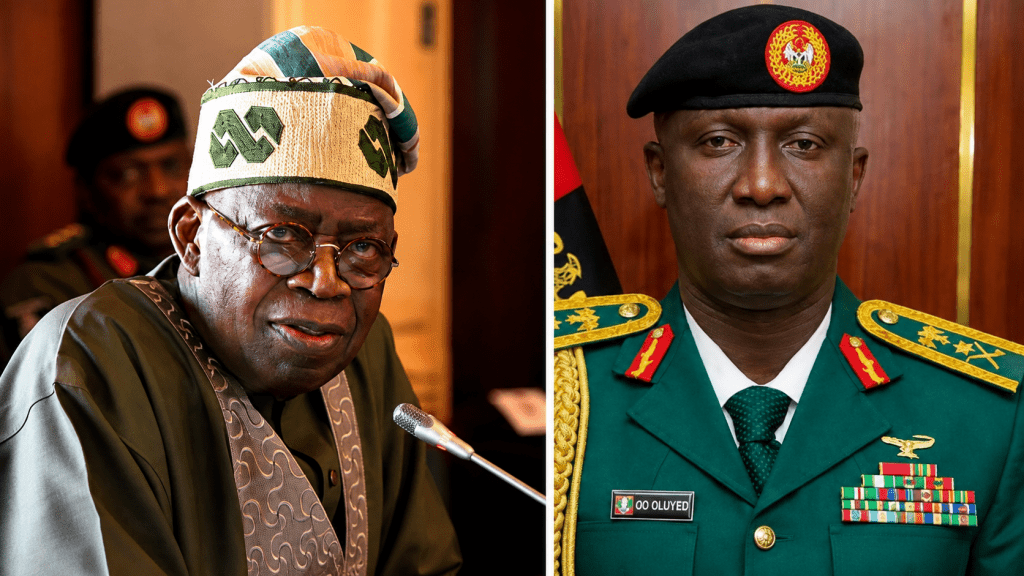
The salary adjustment comes as Nigeria continues to confront a complex security environment that includes insurgency in the northeast, banditry and kidnappings in the northwest, communal violence in parts of the Middle Belt and separatist-related unrest in the southeast. Officials say improving compensation is intended to boost morale, retain experienced personnel and ensure that service members are better equipped to carry out increasingly demanding operations.
The wage increase forms part of a broader military modernization programme launched by the Tinubu administration. In recent weeks, the government approved the expansion of the Nigerian Army from eight divisions to twelve and authorized the recruitment of an additional 28,000 personnel. It has also pledged increased investment in modern equipment, logistics, training and operational capabilities to strengthen the armed forces’ response to evolving security threats.
Military analysts have long argued that competitive salaries are essential to maintaining a professional and effective armed force. Better compensation can improve recruitment, reduce staff turnover and allow personnel to focus more fully on operational responsibilities. Enhanced welfare measures may also strengthen motivation among troops serving in difficult and high-risk environments.
Beyond its impact on the armed forces, the investment is expected to generate wider economic benefits. Higher incomes for military personnel can support household spending, stimulate local businesses around military communities and improve living standards for thousands of service members and their families. The move also signals the government’s recognition that human capital is as important as equipment in building an effective defense force.
The latest reforms reflect a broader effort to transform Nigeria’s security architecture through a combination of institutional investment and personnel development. Alongside procurement of new aircraft, surveillance systems and military hardware, the government has increasingly emphasized training, welfare and modernization as key elements of national defense.
For Nigeria, the decision to significantly increase military salaries represents more than a budgetary adjustment. It is part of a longer-term strategy to build a more capable, motivated and professional armed force that can respond effectively to the country’s security challenges while supporting stability and economic development. As modernization efforts continue, stronger investment in the people serving on the front lines is expected to remain a cornerstone of that strategy.
