
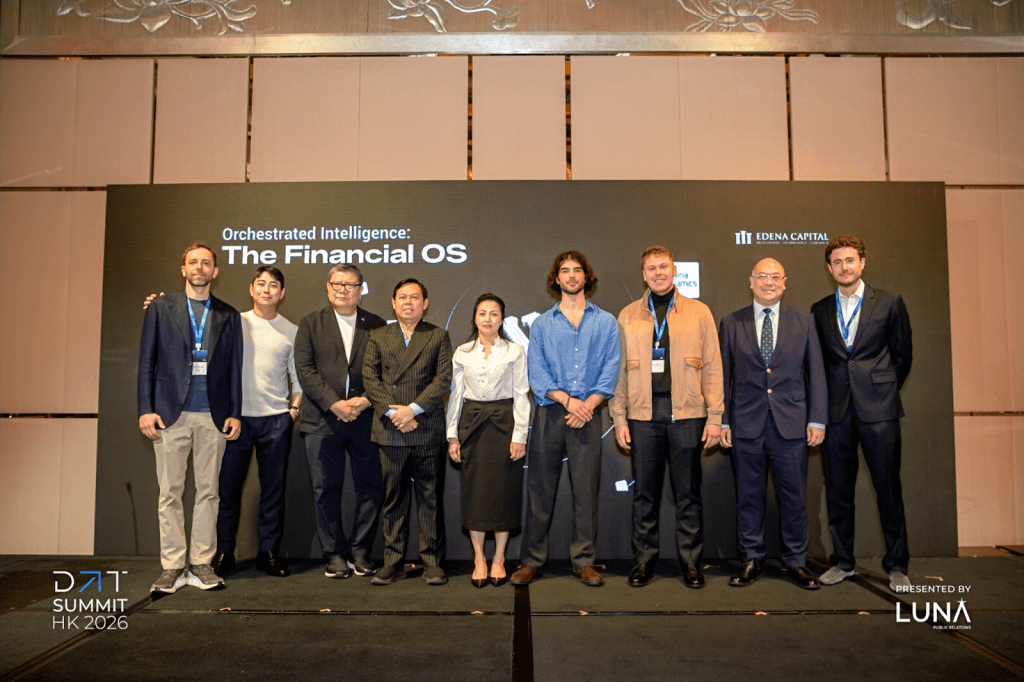
Over the past two decades, mobile money has transformed access to financial services across the continent, allowing millions of people to store, transfer and receive money without traditional bank accounts. What began as a solution for financial inclusion has evolved into one of Africa’s most important financial infrastructures, supporting transactions valued at more than $1 trillion annually.
Yet despite its scale, much of Africa’s mobile money ecosystem remains fragmented.
National platforms often operate independently, creating barriers to seamless cross-border transactions and limiting integration with broader international financial markets. Businesses, investors and consumers frequently face higher costs and slower settlement times when moving funds across jurisdictions.
Concordia’s creators argue that addressing those limitations could unlock significant economic opportunities.
The platform is designed to facilitate connections among mobile money operators, digital payment providers, and global financial networks, creating a more interoperable system that supports international transactions and digital asset settlements.
The initiative reflects a broader trend reshaping global finance.
As digital payment systems continue to expand, financial institutions and technology firms are increasingly focused on interoperability, the ability of different platforms and networks to communicate and transact seamlessly with one another. Analysts view interoperability as one of the key challenges facing the next generation of digital financial infrastructure.
Africa occupies a particularly important position in that evolution.
The continent accounts for more than half of the world’s mobile money accounts and remains the global leader in mobile-based financial services. Countries including Kenya, Ghana, Tanzania and Uganda have demonstrated how mobile money can drive financial inclusion, support small businesses and facilitate economic activity in areas underserved by traditional banking systems.
The growing scale of those systems has attracted increasing attention from international investors and fintech companies.
Global financial institutions are exploring ways to connect Africa’s digital payment networks to broader capital markets, trade finance systems and international remittance channels. Supporters argue that greater integration could reduce transaction costs, improve liquidity and create new opportunities for commerce and investment.
For Africa, the implications extend beyond payments.
Improved connectivity between mobile money platforms and international financial networks could strengthen cross-border trade, support regional integration and facilitate the movement of capital across the continent. Such developments align closely with the ambitions of the African Continental Free Trade Area, which seeks to create a more integrated economic market across Africa.
Nevertheless, challenges remain.
Regulatory fragmentation, differing compliance requirements and varying levels of digital infrastructure continue to complicate efforts to build continent-wide financial interoperability. Cybersecurity, consumer protection and data governance are also likely to become increasingly important as digital financial systems become more interconnected.
The launch of Concordia highlights a broader reality confronting global finance.
The next frontier of financial innovation may not lie solely in creating new payment technologies, but in connecting existing systems that have grown independently over time. Africa’s mobile money networks, already among the most successful digital finance innovations in the developing world, are becoming an increasingly important part of that conversation.
For investors and technology firms, the continent represents one of the largest untapped opportunities in digital finance. For Africa, the challenge is ensuring that greater connectivity translates into broader economic participation, lower transaction costs and stronger financial inclusion.
As mobile money continues to evolve from a local payment solution into a component of global financial infrastructure, initiatives such as Concordia suggest that Africa’s digital finance revolution may be entering its next chapter.
