
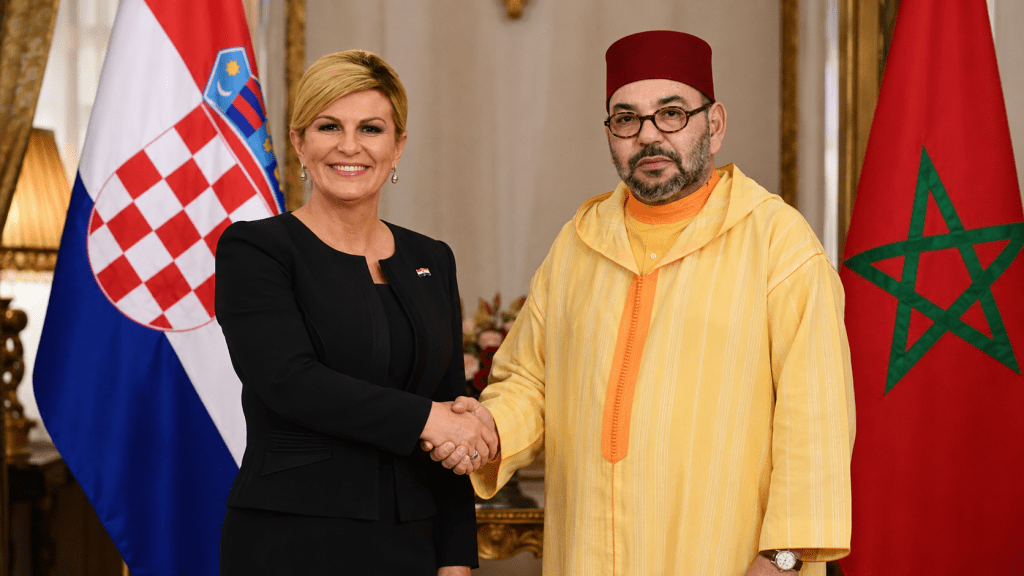
Under the updated framework, Moroccan and European airlines will enjoy non-discriminatory access to routes between Morocco and Croatia under the same rules that govern aviation between Morocco and other EU member states. While the agreement does not require airlines to launch new routes, it removes regulatory barriers and creates a more predictable environment for carriers considering future commercial services, partnerships and seasonal flights.
The expanded agreement reinforces Morocco’s strategy of positioning itself as the principal aviation bridge between Africa and Europe. Sitting at the crossroads of two continents, the country has spent years investing in airport infrastructure, transport networks and tourism while liberalizing its aviation market to attract airlines and increase passenger traffic. Those efforts have transformed Morocco into one of Africa’s busiest air transport hubs and an increasingly important gateway for business and leisure travelers.
The latest aviation milestone comes as Morocco accelerates preparations for the 2030 FIFA World Cup, which it will co-host with Spain and Portugal. The government has launched major investments in transport infrastructure, including airport modernization, railway expansion and improved connectivity to Mohammed V International Airport. These projects are intended not only to accommodate millions of tournament visitors but also to strengthen the country’s long-term competitiveness as a regional logistics and tourism center.
European investment has accompanied Morocco’s transport ambitions. French rail manufacturer Alstom recently secured a €781 million contract to supply high-speed trains for the country’s expanding rail network, while Spain’s CAF won a contract worth nearly €600 million to deliver new intercity trains. Together, the projects form part of Morocco’s 96-billion-dirham railway modernization program, one of the largest transport infrastructure initiatives currently underway in Africa.
Beyond aviation, Morocco has been attracting substantial foreign investment across manufacturing, renewable energy, aerospace and automotive production. The country’s stable regulatory environment, proximity to European markets and expanding industrial base have made it an increasingly attractive destination for multinational companies seeking production and distribution platforms serving both Europe and Africa.
Croatia’s inclusion in the Open Skies Agreement may appear to be a technical regulatory adjustment, but it reflects a broader trend of Morocco steadily deepening its integration with European markets. As transport links expand and infrastructure investments gather pace, the kingdom is strengthening its position as one of Africa’s most connected economies and a key gateway for trade, tourism and investment between the two continents.
