
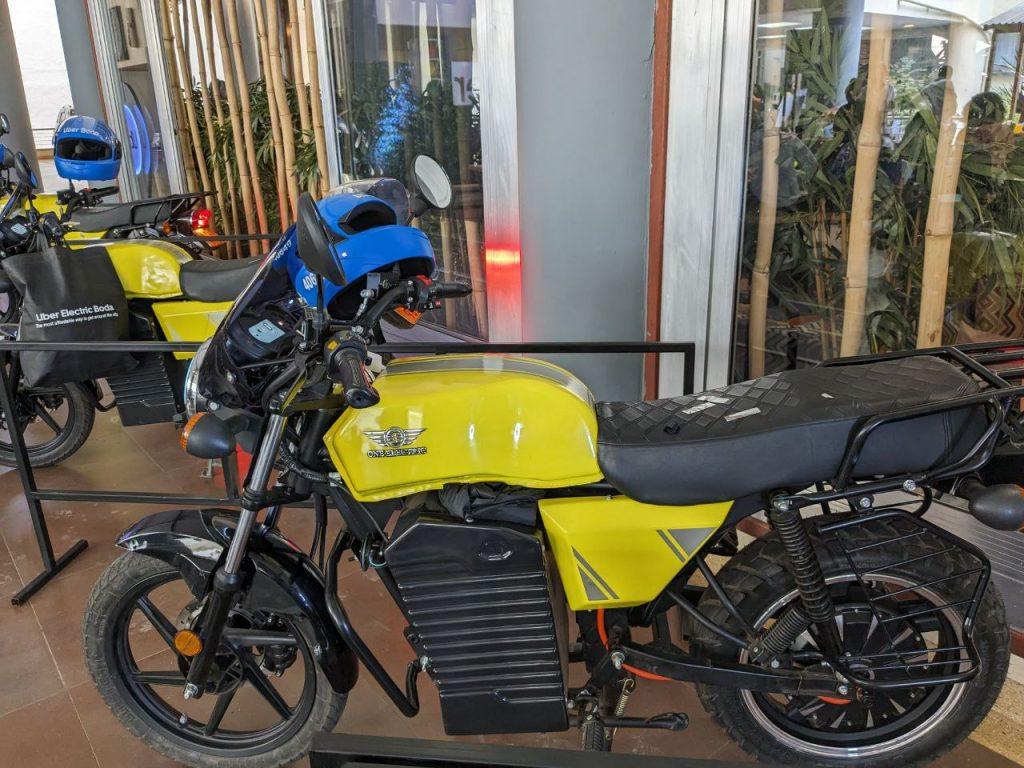
Founded in 2022 by Michael Spencer, a former Tesla executive, the Nairobi-based startup produces a motorcycle known as the Emara, an electric two-wheeler built to compete with the gasoline bikes commonly used by taxi riders and courier services. The company combines vehicle manufacturing with a technology platform that allows riders to swap depleted batteries for fully charged ones, reducing downtime and easing the transition to electric mobility.
The latest funding round includes $20.5 million in equity investment led by the U.S. venture capital firm Congruent Ventures, alongside contributions from Active Impact Investments and Lowercarbon Capital. An additional $4.5 million was raised in debt financing from Camber Road and Trifecta Capital, according to the company.
The investment reflects a wider shift in how investors view Africa’s transportation sector. Motorcycles — widely known as boda bodas in East Africa, serve as a critical source of income for millions of riders while also providing essential mobility in congested cities. But the vehicles are also a major source of fuel consumption and urban air pollution.
Electric alternatives promise lower operating costs for riders, who typically spend a large portion of their daily earnings on fuel. Zeno’s founder said the company has already seen strong demand for its motorcycles, with more than 25,000 prospective customers currently on a waiting list.
Kenya has increasingly emerged as one of the continent’s leading hubs for electric mobility innovation. Government incentives, including tax breaks for electric vehicles and local assembly initiatives, have helped attract startups and investors seeking to develop cleaner transport systems in rapidly growing cities.
For companies like Zeno, the opportunity lies not only in selling vehicles but in building the infrastructure that supports them. Expanding battery-swapping networks and charging systems remains essential to making electric motorcycles practical for riders who rely on their vehicles for daily income.
With fresh capital now secured, the company is betting that demand for affordable electric transport will continue to accelerate, and that Kenya can become a proving ground for a new generation of mobility solutions across Africa.
