

Manufactured by Rafael Advanced Defense Systems, the SPYDER (Surface-to-Air PYthon and DERby) system is designed to detect, track and intercept a range of airborne threats, including low-flying aircraft, attack helicopters and drones. Its mobility and rapid-reaction capability allow it to provide 360-degree coverage in varied terrain and weather conditions, officials said.
The system’s dual-missile architecture pairs Python-5 interceptors, which use infrared and electro-optical guidance, with Derby missiles equipped with active radar homing, a combination that enhances engagement flexibility. While Kenya has not disclosed the exact variant acquired, defense analysts suggest the configuration is tailored for short- to medium-range defense, suited to protecting fixed installations.
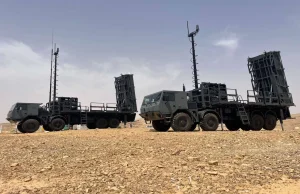
Government budget documents show that the loan and associated procurement account for a substantial share of the Ministry of Defence’s development spending for the 2025–26 fiscal year, underscoring the priority placed on upgrading air-defense capabilities.
Officials and military experts have tied the decision to Kenya’s strategic environment, marked by the continuing threat from extremist groups such as al-Shabaab, which has demonstrated the capacity to strike high-value targets beyond Somalia’s borders, and the proliferation of low-cost drones and precision weapons across the region. Modern, mobile air-defense systems, such as SPYDER, are increasingly seen as essential complements to traditional defenses and surveillance networks.
The acquisition also signals a broader shift in Nairobi’s defense partnerships. In recent years, Kenya has diversified its military hardware sources, including receiving helicopters from the United States and expanding cooperation with other countries on security training and equipment.
As the SPYDER system is integrated into Kenya’s air-defense architecture, attention will turn to training, sustainment and interoperability with existing radar and command networks. For Kenyan defense planners, the delivery marks a tangible step toward enhancing national and regional security in an unpredictable and rapidly changing threat landscape.
