
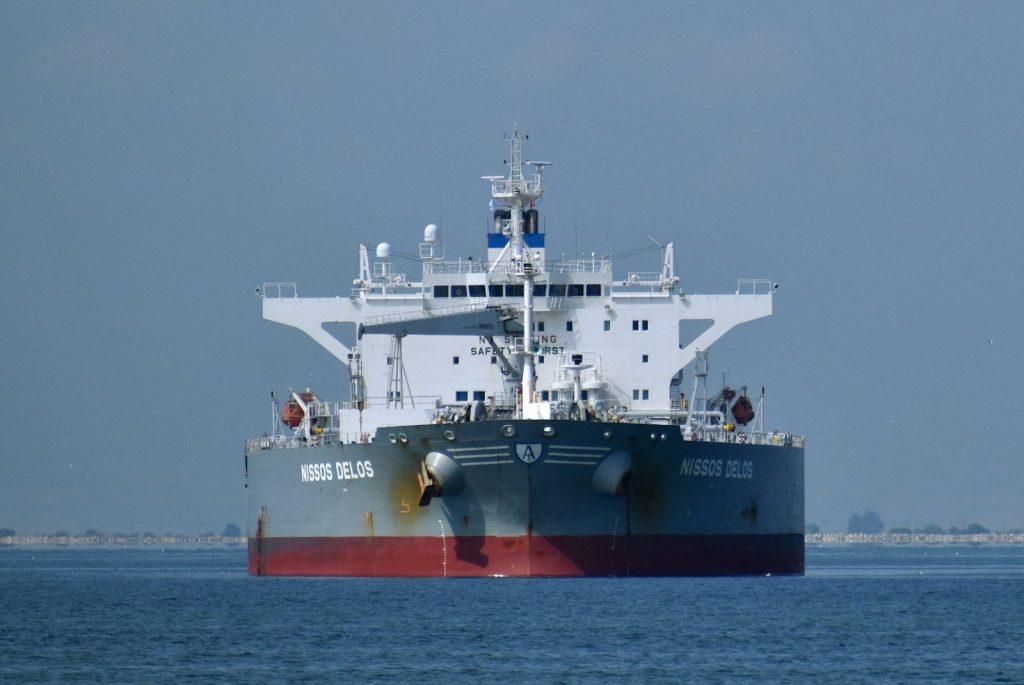
But the escalation of hostilities involving Iran, and the resulting threats to vessels passing through the Strait of Hormuz, has forced a shift. Tankers carrying fuel bound for Kenya are now being loaded farther afield, in ports such as Antwerp-Bruges in Belgium, Sikka in India and Jizan along the Red Sea coast, as companies seek routes considered less exposed to disruption.
The change is as much logistical as it is strategic. The Strait of Hormuz, a narrow maritime passage linking the Persian Gulf to the Indian Ocean, handles a significant share of global oil and gas shipments. Any instability along that route can ripple quickly across markets, forcing import-dependent countries like Kenya to adapt with little warning.
Recent shipping schedules underscore the scale of the adjustment. Hundreds of millions of liters of petrol, diesel and kerosene are now being routed through alternative hubs, with multiple vessels scheduled to arrive at the port of Mombasa in the coming weeks.
For Kenyan officials, the priority has been continuity. Energy authorities say the government-to-government agreement has helped shield the country from the volatility of spot markets, where prices have risen sharply amid the disruption. By maintaining fixed supply terms with Gulf partners, officials argue, Kenya has been able to avoid the kind of acute shortages seen elsewhere.
Even so, the new routes carry their own risks. Iranian officials have warned that tensions could expand beyond the Gulf into the Red Sea, a corridor that now plays an increasingly central role in Kenya’s revised supply chain. Any escalation there could complicate delivery schedules and place further strain on global energy logistics.
The episode offers a reminder of how deeply Kenya’s economy is tied to events far beyond its borders. Fuel imports remain essential to transport, manufacturing and everyday life, leaving the country exposed to geopolitical shocks that can quickly translate into domestic economic pressure.
For now, however, officials insist the system is holding. Fuel stocks remain within manageable levels, and additional shipments are expected to arrive in the weeks ahead.
Still, the rerouting of Kenya’s oil supply, from the Gulf to ports across Europe and Asia, signals a broader shift already underway in global energy trade. As conflict reshapes traditional routes, even long-established supply chains are proving to be less fixed than they once appeared.
