
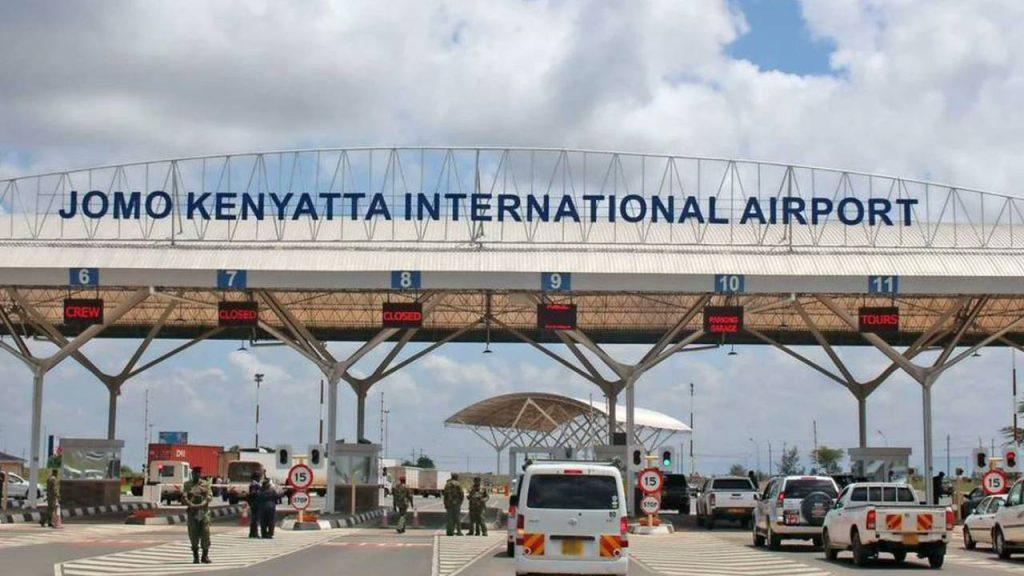
The renewed effort follows the termination of negotiations with the Adani Group, which had been expected to play a key role in the project. The collapse of the arrangement forced Kenyan authorities to reconsider their approach while reaffirming the importance of moving forward with the airport’s modernization plans. Government officials have indicated that alternative financing and implementation options are being explored to ensure the project proceeds without significant delays.
The planned expansion is expected to include improvements to passenger terminals, airside infrastructure and operational systems aimed at enhancing efficiency and capacity. Once completed, the upgraded airport would be better positioned to handle increasing passenger volumes and support the continued growth of Kenya’s aviation industry. The project is also expected to strengthen Nairobi’s competitiveness against other major aviation hubs on the continent.
For Kenya, the airport’s strategic importance extends beyond transportation. Aviation plays a critical role in supporting tourism, facilitating exports and attracting foreign investment. A modern and efficient airport is widely regarded as essential infrastructure for sustaining economic growth and reinforcing the country’s position as a regional commercial center.
The move comes as competition among African aviation hubs intensifies. Airports in countries such as Ethiopia, Rwanda and South Africa have invested heavily in modernization and expansion projects designed to capture a larger share of international traffic. Kenyan policymakers view the Nairobi expansion as necessary to ensure the country remains competitive in an increasingly interconnected global aviation market.
Industry experts argue that improved airport infrastructure could generate significant economic benefits through increased tourism arrivals, expanded cargo operations and greater connectivity with international markets. Construction activity associated with the project is also expected to create jobs and stimulate investment in related sectors, including logistics, hospitality and transportation.
While questions remain about financing and implementation timelines, the government’s decision to revive the project signals a strong commitment to long-term infrastructure development. For Kenya, the expansion of Nairobi’s international airport represents more than an aviation project; it is a strategic investment aimed at securing the country’s position as East Africa’s premier gateway for trade, travel and investment in the decades ahead.
