
“Within Turkana and the broader northwestern corridor, the government has delivered critical road links and key bridge structures that enable safe, all-weather movement,” Mr. Chirchir said in a briefing before a joint session of the Senate and the National Assembly’s energy committees.
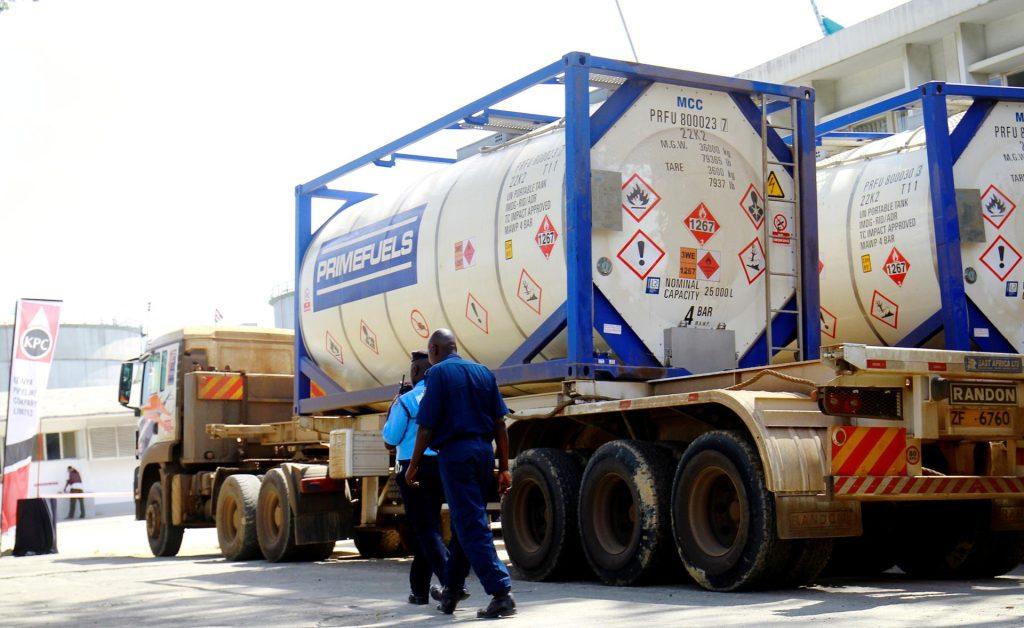
Officials said two main road routes have been identified to haul crude to coastal export facilities in Mombasa, and that ongoing upgrades to the national trunk road network will ease the flow of heavy traffic. Longer-term plans call for a hybrid road-rail transport solution to improve efficiency and reduce congestion along the roughly 1,200-kilometer, or 750-mile, corridor.
At the same time, the government said it was finalizing commercial and operational frameworks with project partners to ensure that production can begin without further delays. Officials told lawmakers that remaining approvals, including field development and export arrangements, are being aligned with national energy policy and international market requirements, a process they described as critical to restoring investor confidence after years of uncertainty surrounding the project.
Leaders from Turkana County, who have repeatedly demanded greater transparency and tangible benefits for host communities, were also cited during the parliamentary session. The national government said revenue-sharing mechanisms and local content programs would be enforced to ensure that residents benefit through jobs, business opportunities and social investment as production ramps up.
Environmental and safety officials emphasized that public-health safeguards and regulatory oversight will accompany the expansion of oil transport and support infrastructure, as concerns persist about the impact of large-scale petroleum operations in fragile and remote areas.
The government’s timeline reflects growing expectations that Kenya could move into sustained commercial production and exports next year, a long-awaited milestone after a decade marked by technical delays, shifting partnerships and prolonged negotiations over how the country’s first oil project should be developed.
