
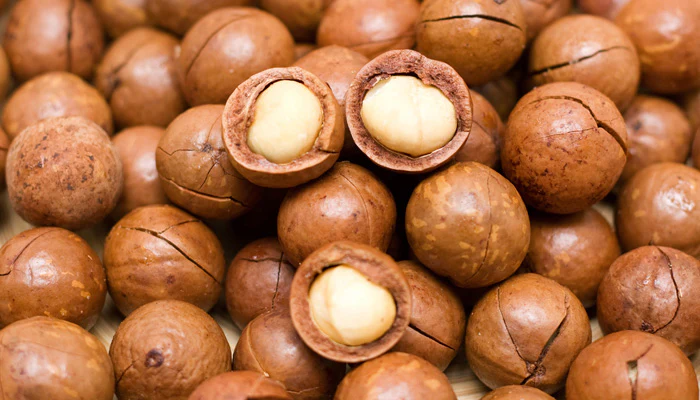
In a public notice, AFA Director-General Bruno Linyiru said the authority conducted maturity assessments across key growing regions in January, finding that many nuts in lower-altitude, coffee-growing areas had reached physiological maturity and were ready for harvest. Some mature nuts had begun to fall naturally, signaling to farmers that conditions were right to resume harvesting.
Dr. Linyiru said“In the view if these findings, and following requests from stakeholders, the authorities will officially re-open the harvesting and trading on Macademia effective February 1st 2026,” He said this to urge farmers to pick only fully mature nuts and allow immature fruit to continue developing.
Kenya is among the world’s leading macadamia producers, and the crop is a vital source of income for tens of thousands of smallholder farmers. The industry has faced persistent challenges in recent years, including fluctuating prices and concerns over quality, as immature nuts can reduce kernel yield and shelf life, undermining Kenya’s competitiveness in demanding foreign markets.
The ban’s removal comes amid broader efforts to safeguard Kenya’s position in the global nut trade. While the reopening delivers welcome relief to farmers and traders who had waited months for access to markets, regulators emphasized the importance of compliance with quality standards if Kenya is to sustain and expand its foothold in the lucrative global macadamia market.
