
Officials described the sale as East Africa’s largest state-backed IPO in local currency terms and the first fully electronic public offering in the bourse’s history. The government expects trading to begin on March 9, 2026.
The move comes amid mounting concerns about Kenya’s ballooning public debt. The government has increasingly turned to financial markets to raise funds as borrowing costs have climbed and debt service obligations have absorbed swelling shares of public revenue. Analysts note that debt servicing in recent fiscal periods has consumed a growing portion of tax receipts, leaving less room for development spending.
“At a time when traditional financing channels, such as taxation and sovereign borrowing, are under strain, this kind of market-based approach helps us mobilize capital for infrastructure and strategic priorities,” Finance Minister John Mbadi said at the IPO launch, framing the sale as a step toward broader economic resilience.
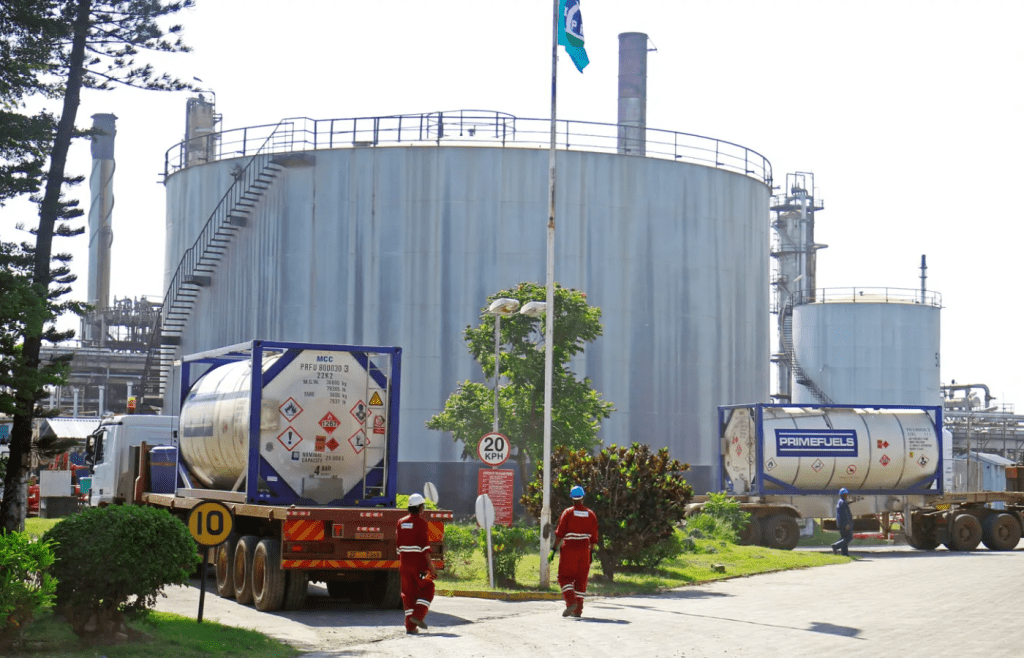
The pipeline company, which operates one of the longest fuel pipeline networks in the region, has long been considered a linchpin of Kenya’s energy system, moving petroleum products from the port of Mombasa inland and beyond. Its inclusion in the public markets represents a strategic shift by the government to unlock private capital and broaden share ownership among domestic, regional and international investors.
Part of the shares have been reserved for employees and select institutional participants, with offerings also open to retail and foreign investors, according to the information memorandum.
Despite optimism among some market participants, the broader economic backdrop remains challenging. Kenya’s public debt has grown substantially in recent years, with some lawmakers and analysts warning that debt servicing costs, now consuming a rising share of government revenues, could pose risks to fiscal stability if left unchecked.
The pipeline IPO is seen by many in government as a strategic effort to diversify financing sources, reduce reliance on borrowing and stimulate activity on the Nairobi exchange, which has seen relatively few major listings in recent years.
For ordinary Kenyans, the offering presents both opportunity and uncertainty: it opens the door to broader participation in national assets but also underscores the pressures facing Nairobi’s policymakers as they navigate a complex economic landscape.
