
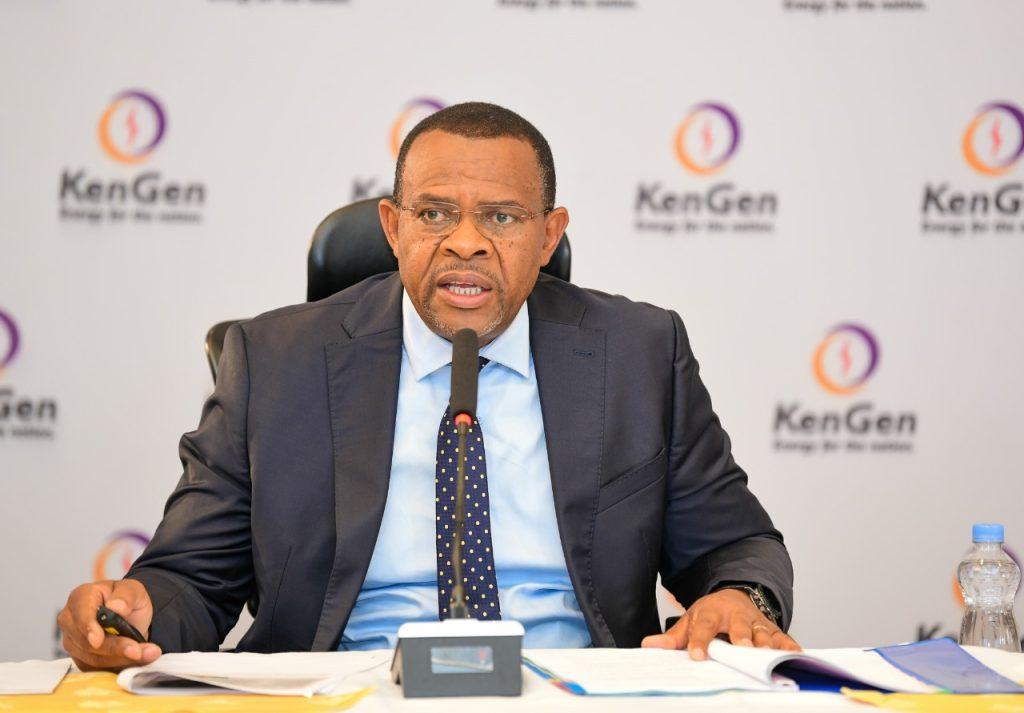
The commitment was formalized with a memorandum of understanding (MoU) between KenGen and NuPEA, which creates a joint working group tasked with steering the country from early planning stages into technical readiness and broad public engagement.
Energy and Petroleum Cabinet Secretary Opiyo Wandayi described the development as the dawn of “Kenya’s nuclear-power era,” noting that the arrangement would deepen public awareness, strengthen stakeholder engagement, build institutional capacity, and lay the foundation for a reliable, low-carbon baseload power option.
KenGen, which has decades of experience building and managing large energy infrastructure, including geothermal, hydroelectric, wind, and solar plants, is expected to leverage that track record for the nuclear venture. Early land assessments and site-related planning will be done in accordance with strict public-participation and transparency standards, the government said.
“Today’s agreement marks a bold step forward for Kenya’s energy security,” said KenGen’s Managing Director and Chief Executive Officer, Peter Njenga. “Our mandate is to ensure Kenyans have factual, accessible and timely information as we evaluate this globally proven and highly regulated technology.”
The decision comes as Kenya grapples with increasing electricity demand. Recent data show peak consumption climbing above 2,300 megawatts, the highest in five years. Officials have warned that without new power capacity, the grid faces a rising risk of outages and may require selective rolling blackouts during high-demand hours.
On the continent, Kenya is joining a growing number of nations exploring nuclear power: while South Africa remains the only African country with a commercial nuclear plant, other nations such as Egypt which is building a 4.8 GW facility, as well as Ghana, Uganda, Morocco and Nigeria are actively advancing reactor plans.
