
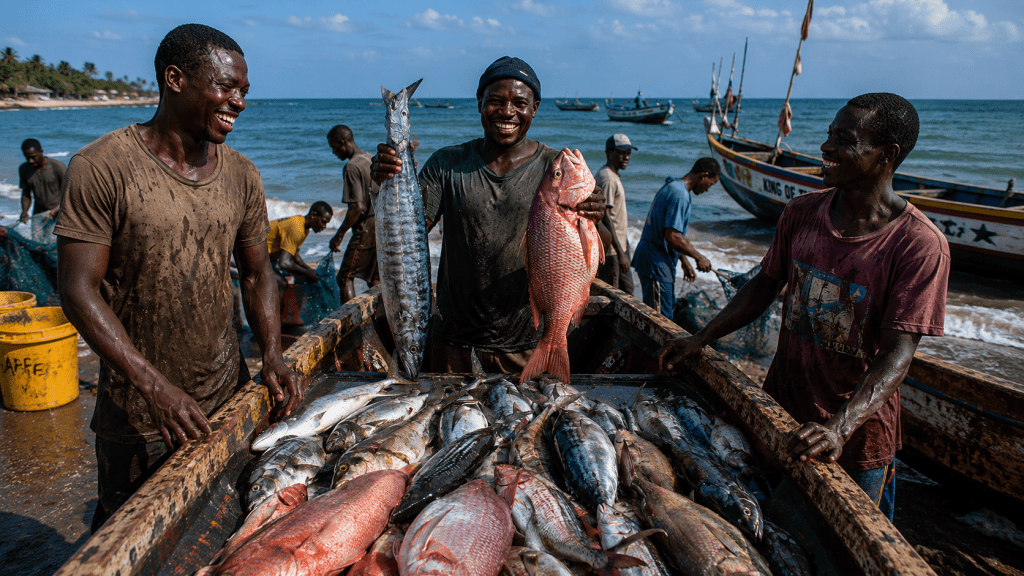
According to the FAO, demand for fish and other aquatic foods is rising steadily as consumers seek affordable and nutritious sources of protein. Yet domestic production has struggled to keep pace, forcing many countries to rely heavily on imports to bridge the gap. Expanding aquaculture, the organization argues, could help reduce this dependence while strengthening local food systems and improving access to high-quality nutrition.
Fish farming has emerged as one of the fastest-growing food production sectors globally, driven by advances in technology, improved breeding techniques and growing consumer demand. In Africa, however, the industry continues to face challenges ranging from limited investment and inadequate infrastructure to shortages of quality feed and technical expertise. Addressing these barriers will be critical if countries are to unlock the sector’s full potential.
The economic benefits could be substantial. A more developed aquaculture industry would create employment opportunities across the value chain, from hatcheries and feed production to processing, transportation and retail. Rural communities, in particular, stand to benefit from increased investment and the diversification of income sources beyond traditional agriculture.
Several African countries have already begun investing in aquaculture as part of broader strategies to improve food security and strengthen agricultural resilience. Nations such as Egypt, Nigeria, Ghana and Kenya have recorded notable growth in fish farming, demonstrating the sector’s ability to contribute to economic development while meeting domestic demand. The FAO believes these successes can serve as models for other countries seeking to expand production.
The push for aquaculture also aligns with growing concerns about the sustainability of wild fisheries. Overfishing, pollution and climate-related disruptions have placed increasing pressure on natural fish stocks, making it more difficult for traditional fisheries to meet demand. Sustainable aquaculture offers an alternative source of production that can help ease pressure on marine and freshwater ecosystems while supporting long-term food security goals.
Experts note that realizing the sector’s potential will require coordinated efforts from governments, development institutions and private investors. Increased financing, improved regulatory frameworks and investments in research and innovation are viewed as essential to accelerating growth and attracting new participants to the industry.
For Africa, the FAO’s message is clear: aquaculture is no longer a niche industry but a strategic component of the continent’s future food system. As populations grow and food security challenges intensify, expanding fish farming could play a vital role in providing affordable nutrition, generating employment and building more resilient economies in the years ahead.
