
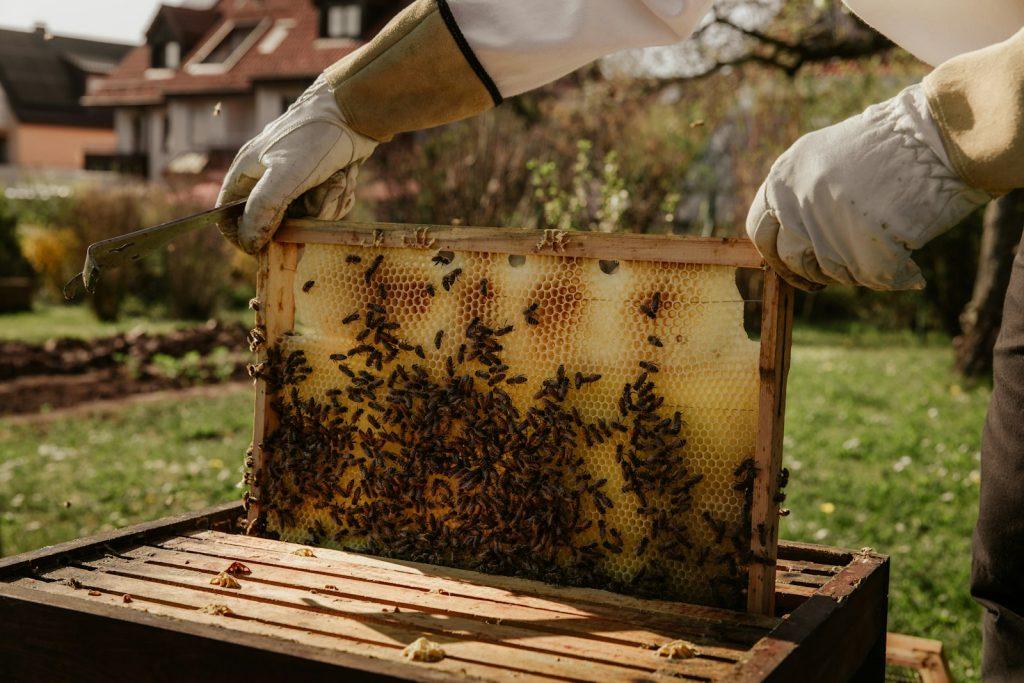
Beekeeping, a longstanding agricultural practice in Ethiopia and a source of income for millions of rural families, contributes significantly to the nation’s economy. The country is among Africa’s largest honey producers, with production supported by abundant bee-friendly flora and a mix of traditional and modern beekeeping practices. Efforts by startups and agritech firms to introduce remote sensors and mobile tools have already shown how technology can improve hive monitoring and yields.
Officials said digital tools such as APMIS could help connect beekeepers with domestic and international markets, especially as demand for traceable, high-quality honey grows abroad. Traceability is increasingly important to buyers, who use digital records to verify purity and origin, a key factor in accessing premium markets.
The new system is also expected to support Ethiopia’s broader agricultural goals, including increased export earnings from honey and beeswax and job creation in rural communities. By replacing paper records and informal tracking with an integrated digital database, policymakers hope to streamline regulation, improve quality control and reduce losses from pests and disease.
For many beekeepers, long accustomed to traditional, labor-intensive methods, the digital shift marks a notable moment in the evolution of the sector. If widely adopted, the system could serve as a model for other African nations seeking to modernize beekeeping and integrate small-scale producers into the global honey market.
