
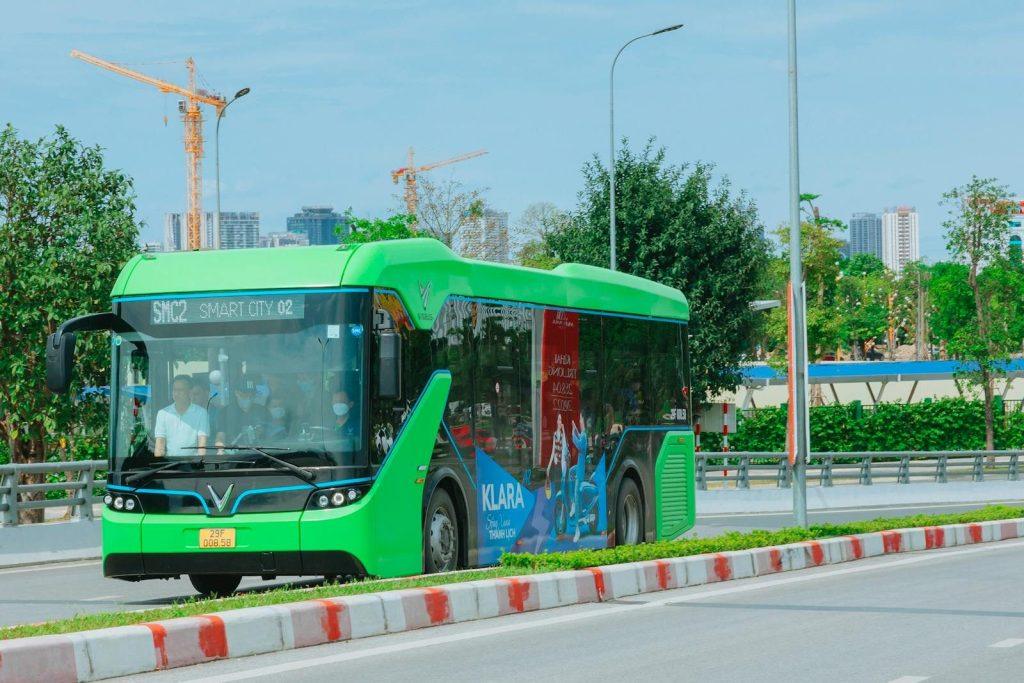
In the capital, Addis Ababa, the change is already visible. More than 100 electric buses now operate across the city, carrying tens of thousands of passengers each day in vehicles that produce neither exhaust fumes nor the noise associated with diesel engines.
The government’s ambitions extend far beyond public transport. Officials have set a target of placing as many as 500,000 electric vehicles on the road by the end of the decade, a goal that would transform not only how Ethiopians move, but also how the country manages its energy resources.
At the center of this strategy is a simple economic calculation. Ethiopia imports nearly all of the fuel it consumes, placing sustained pressure on its foreign currency reserves. By shifting toward electric vehicles powered by domestic energy, officials hope to reduce that burden while insulating the economy from volatility in global oil markets.
The country’s energy mix gives it a distinct advantage in pursuing that goal. Hydropower accounts for the vast majority of Ethiopia’s electricity supply, and the completion of the Grand Ethiopian Renaissance Dam, one of Africa’s largest infrastructure projects, has significantly expanded generation capacity. The result is a system in which electric vehicles can be powered largely by renewable energy rather than fossil fuels.
Yet the transition is unfolding against a backdrop of structural constraints. Access to electricity remains uneven, with large portions of the population still off the grid, and charging infrastructure is concentrated primarily in the capital. For drivers traveling beyond urban centers, the practical limitations of electric mobility remain significant.
Cost is another barrier. While operating an electric vehicle can be far cheaper than running a gasoline-powered car, the upfront price remains high relative to average incomes, limiting adoption outside a narrow segment of the population.
Even so, the shift has already begun to alter daily life in Addis Ababa. Taxi drivers report sharply reduced fuel expenses, and passengers on the city’s electric buses describe a quieter, cleaner commuting experience. The changes, while incremental, suggest that the policy is beginning to take hold.
Ethiopia’s approach stands apart not only for its speed but also for its context. Many wealthier nations have set long-term timelines to phase out fossil-fuel vehicles, often stretching into the 2030s or beyond. Ethiopia, by contrast, has attempted to leap directly into an electric future, compressing a transition that elsewhere has been gradual into a matter of years.
Whether that strategy proves sustainable will depend on the country’s ability to expand its power grid, build out charging networks and make electric vehicles more accessible to a broader population. For now, however, Ethiopia’s experiment offers a glimpse of a different model of energy transition, one driven less by climate ambition than by economic necessity, and unfolding in a place where the stakes are immediate and the margin for error is narrow.
