
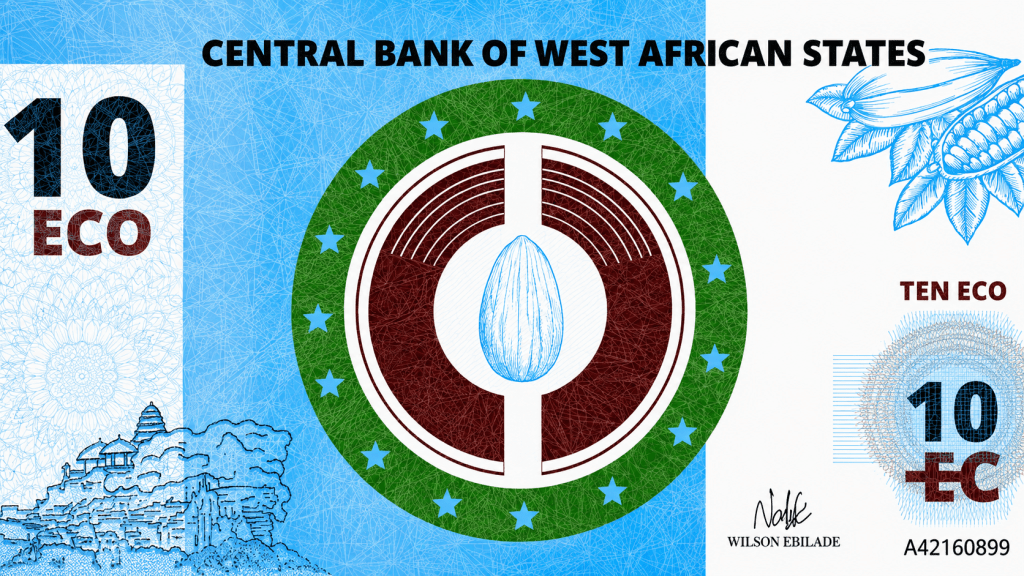
Guinea’s decision reflects its desire to retain control over its monetary policy while continuing efforts to strengthen domestic production and economic resilience. Economists note that maintaining an independent currency allows governments greater flexibility to respond to inflation, external shocks and changing domestic economic conditions. By taking additional time to prepare, Guinea is seeking to ensure that any future participation in the Eco supports long-term economic stability.
The phased strategy represents a significant evolution in ECOWAS’s approach to monetary integration. Rather than insisting that all member states join simultaneously, regional leaders have acknowledged that economies are progressing at different speeds. This flexible model allows countries that are ready to move forward while giving others additional time to implement reforms without slowing the broader integration agenda.
Despite the latest development, support for the Eco remains strong across the region. ECOWAS leaders reaffirmed the project during their recent summit in Freetown, describing a common currency as a cornerstone of deeper regional integration. The organization continues to view monetary union as an important step toward expanding intra-African trade, reducing transaction costs and strengthening the region’s competitiveness.
If successfully implemented, the Eco could transform commerce across West Africa. Businesses would benefit from lower currency conversion costs, simpler cross-border payments and reduced exchange-rate uncertainty. A common currency could also encourage investment by creating a larger and more predictable regional market, making it easier for companies to expand operations across ECOWAS member states.
Achieving those benefits will depend on continued economic convergence. Member states are working to strengthen fiscal management, improve inflation control and reinforce financial institutions before adopting the shared currency. These reforms, while demanding, are expected to create stronger national economies and a more resilient monetary union over the long term.
West Africa’s experience mirrors that of other regional monetary unions, where careful preparation has often proved essential to long-term success. By allowing countries to join when they are economically ready, ECOWAS is prioritizing stability over speed, reducing the risks that could arise from premature implementation.
Guinea’s decision may delay its own participation, but it does not alter the region’s broader direction. Instead, it highlights a more realistic and disciplined approach to one of Africa’s most ambitious economic projects. As member states continue to strengthen their economies and align key policies, the Eco remains positioned to become a major milestone in West Africa’s journey toward deeper economic integration and shared prosperity.
