
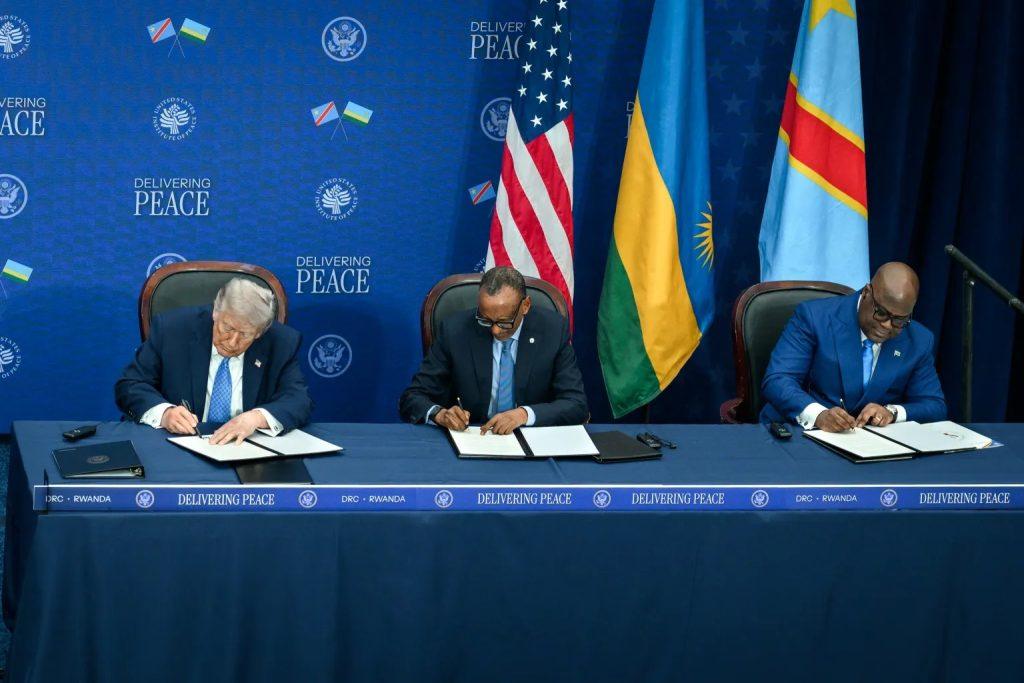
Officials in Kinshasa said the list will be delivered to a joint committee established under the agreement and will enumerate key assets within a so-called Strategic Asset Reserve. The register will include both identified mineral deposits and unlicensed exploration zones, offering a transparent framework for investment while ensuring that projects adhere to Congolese law.
Under the arrangement, representatives from both countries will periodically update the catalogue to reflect emerging opportunities, with the goal of attracting reputable investors capable of bringing capital, technology and jobs to the vast central African nation. Congo is already one of the world’s most important sources of critical minerals, supplying a significant share of global cobalt and copper production.
The steering committee will oversee proposals from eligible investors, who may seek concessions, exploration rights or extraction licenses. Congo’s government has emphasized that these assets will remain subject to domestic regulation and that no additional fees or administrative requirements will apply beyond existing legal frameworks.
Observers said the initiative reflects Kinshasa’s broader strategy to diversify its international partnerships and reduce dependence on traditional partners, particularly China, which has long dominated mining investment in the country. As global demand for minerals critical to electric vehicles and renewable technologies surges, competition for secure, transparent supply chains has intensified, drawing greater interest from Western governments and corporations alike.
For American investors, the list represents both opportunity and risk: while the D.R.C.’s mineral wealth is vast, the sector has been historically beset by complex regulatory environments, infrastructure shortfalls and periodic instability in mining regions. Still, Congolese officials and U.S. diplomats alike have framed the agreement as a step toward responsible and mutually beneficial development of the nation’s resources.
