
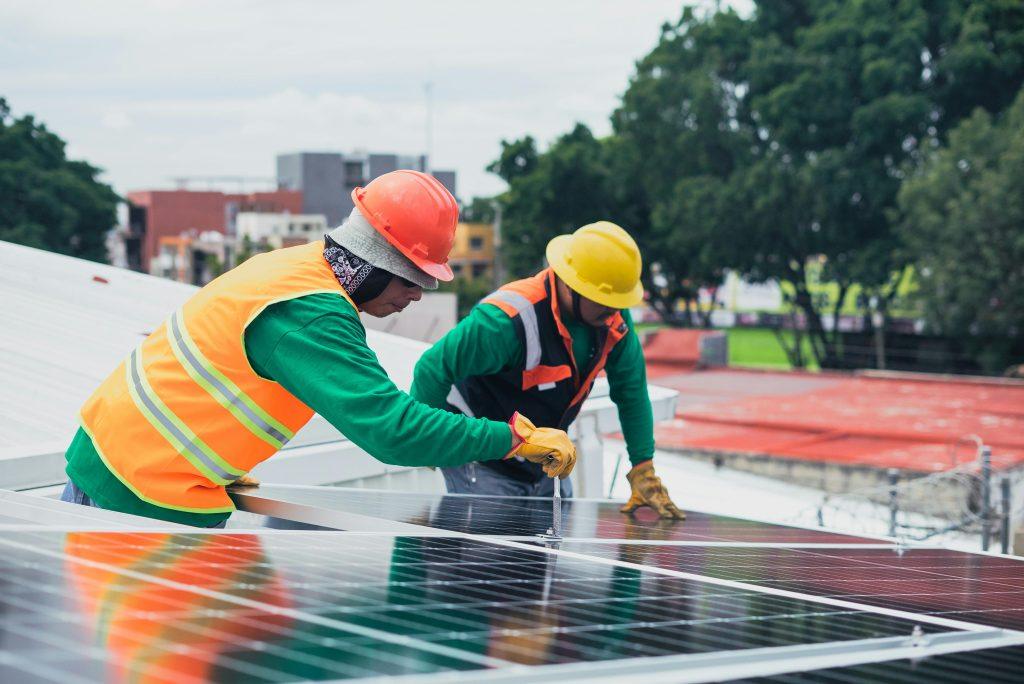
Officials said the project will provide consistent, reliable electricity to more than 136,000 residents of Cazombo, the capital of Moxico Leste Province in eastern Angola, a region that previously struggled with intermittent power. The new system marks the first major source of electricity production and distribution in the area and is a cornerstone of the government’s broader Rural Electrification Project, which seeks to build autonomous renewable minigrids in off-grid parts of the country.
The development represents a significant technological and infrastructure achievement for Angola. By pairing solar power with battery storage, the Cazombo facility can provide around-the-clock energy without resorting to diesel generators, a common fallback in rural Africa that fuels pollution and drives up costs. Local officials and project planners have framed the installation as a model for reducing energy poverty while supporting environmental sustainability.
Financing for the project was structured by Standard Chartered Bank in London with guarantees from Germany’s Euler Hermes and reinsurance support from export credit agencies in Portugal and South Korea. The backing helped cover construction in a region located more than 1,500 miles from the capital city of Luanda.
The initiative aligns with Angola’s national strategy to expand access to electricity and accelerate economic development in underserved provinces. Authorities project that expanding solar and storage projects could improve quality of life, stimulate local business growth and reduce dependence on costly, polluting energy sources.
As countries across sub-Saharan Africa explore off-grid and hybrid renewable solutions to close persistent energy gaps, the Cazombo park, with its record-setting scale, may serve as a benchmark for similar efforts elsewhere on the continent.
