
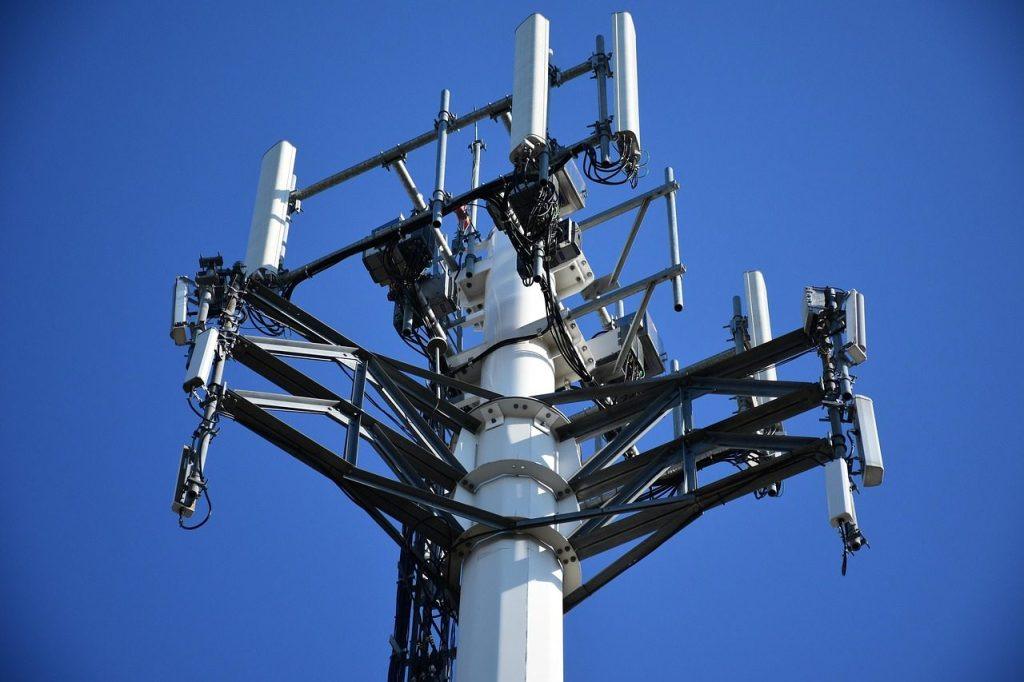
Now, operators are turning to solar power.
The shift, already in motion before the latest global disruptions, has gained new urgency in recent months. Rising diesel prices, driven in part by geopolitical tensions affecting global energy markets, have made fuel both more expensive and less reliable, forcing companies to rethink how they power critical infrastructure.
Africa is home to roughly 500,000 telecommunications towers, many of them in off-grid or poorly electrified regions where diesel has long been the default solution. But that reliance comes at a cost. Energy can account for as much as 60 percent of operating expenses in remote areas, with operators facing not only rising fuel bills but also logistical challenges tied to transport, storage and theft.
Solar systems, by contrast, offer a different equation.
Across the continent, companies are deploying hybrid power setups that combine solar panels, battery storage and limited diesel backup. In some cases, particularly in rural areas, operators are aiming for fully solar-powered towers, reducing dependence on fuel altogether.
The economics are already beginning to shift. Telecommunications firms report meaningful reductions in fuel consumption and operating costs, while also benefiting from a more stable power supply. In regions where diesel shortages have previously caused network outages, solar-powered towers are helping maintain continuous service, a critical factor in economies where mobile connectivity underpins banking, education and emergency communication.
The implications extend beyond cost.
Reliable connectivity remains uneven across much of Africa, with large portions of the population still lacking consistent access to mobile internet. By enabling towers to operate more efficiently in off-grid areas, solar power is helping expand network coverage into communities that have long been difficult to reach.
In some countries, regulators are beginning to see an additional opportunity. Solar-powered telecom towers could serve as anchor points for small-scale energy systems, potentially supplying electricity not only to communication networks but also to nearby homes and businesses.
Still, the transition is far from complete.
Diesel remains deeply embedded in the continent’s infrastructure, and the scale of the shift required, across hundreds of thousands of sites, presents both financial and technical challenges. Yet the direction is becoming increasingly clear.
What began as a cost-saving measure is evolving into something broader: a rethinking of how essential infrastructure is powered in a region where energy access has long been a constraint.
As operators replace generators with panels and batteries, Africa’s telecom networks are gradually being rewired, not just to transmit signals, but to reflect a changing energy future.
