
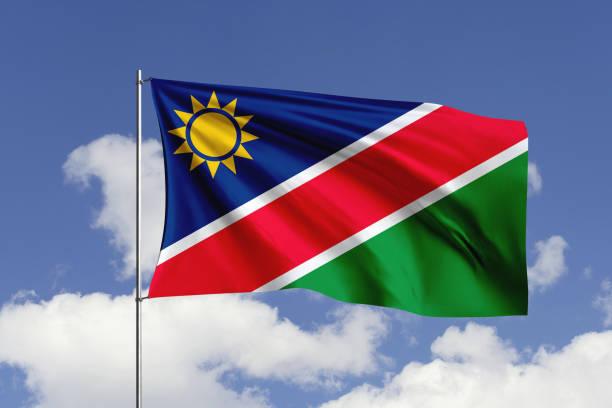
“This strategy marks a pivotal moment for Namibia’s development,” said Moono Mupotola, AfDB’s Deputy Director General for Southern Africa and Country Manager for Namibia. “By focusing on strategic infrastructure and human-capital development, we are laying the foundation for inclusive growth that will benefit all Namibians, particularly the young.”
The proposal aims to reshape Namibia’s economy beyond its traditional dependence on mining and agriculture. Expanding and upgrading infrastructure, say officials, will lower business costs, improve productivity and strengthen regional trade, positioning Namibia as a logistics hub under the African Continental Free Trade Area. It will also support energy security — including renewable energy, and improve rural access to clean water and sanitation.
On the human-capital side, the program calls for market-relevant technical and vocational training, support for micro, small and medium-sized enterprises (MSMEs), and efforts to empower women economically. Officials say these measures will help create thousands of direct and indirect jobs.
The strategy also seeks to improve electricity access, currently about 59.5%, aiming for near-universal coverage. In parallel, transport upgrades would enhance trade links with neighboring nations, Angola and Zambia, and reduce logistics costs. The plan further aligns with green initiatives, spotlighting Namibia’s potential to become a regional leader in renewable energy and green hydrogen.
AfDB’s new commitment builds on more than a decade of investment in Namibia, during which the bank has already channeled roughly $658.1 million into projects including port expansion, rail upgrades and the establishment of 27 educational institutions across all 14 regions.
Implementation of the CSP begins immediately, with the first projects expected to roll out in early 2026. AfDB says the new strategy is aligned with Namibia’s long-term vision, known as Vision 2030, and the continent-wide development agenda encapsulated in Agenda 2063.
