
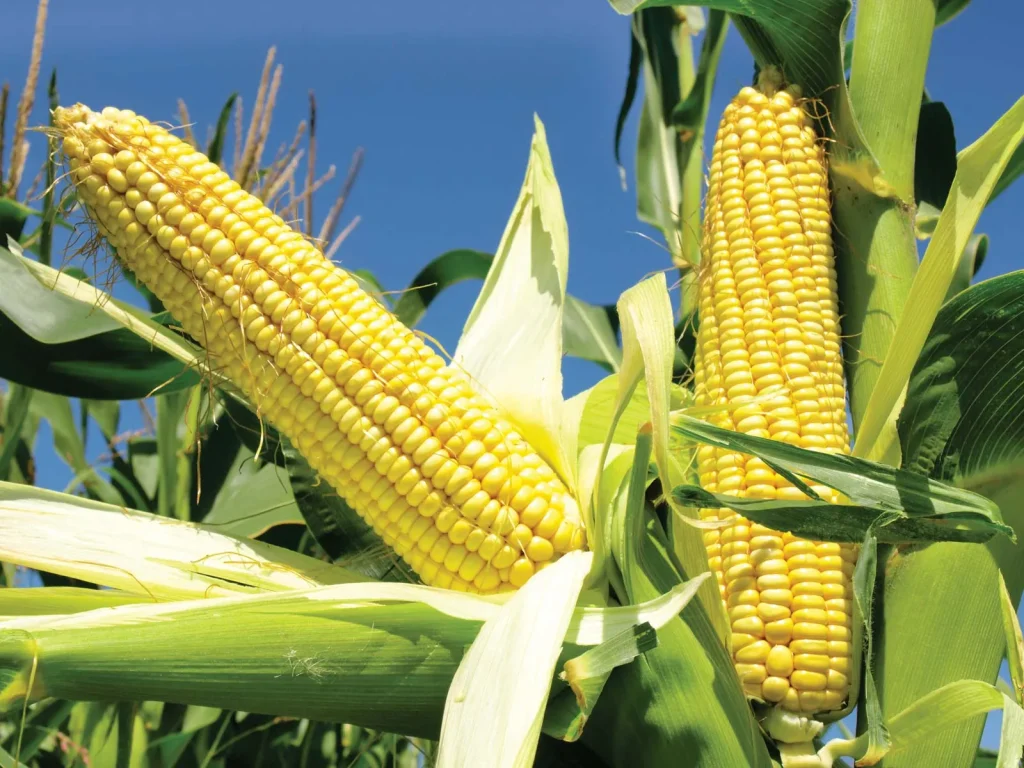
According to industry projections, South Africa’s 2025–26 maize harvest is on track to exceed previous records, driven by favorable rainfall, improved planting conditions and expanded cultivation across key farming regions. The anticipated surplus is expected to generate millions of tonnes of exportable maize, creating opportunities to supply neighboring countries that rely on South African grain during periods of shortage.
The forecast marks a remarkable turnaround from recent years, when erratic weather patterns and prolonged dry spells raised concerns about crop yields and the resilience of agricultural production across Southern Africa.
For many countries in the region, the implications extend far beyond South Africa’s borders.
Maize remains the staple food for hundreds of millions of Africans and serves as a critical component of food systems throughout Southern, Eastern and parts of Central Africa. When South African harvests are strong, regional food prices often stabilize. When harvests decline, the effects can be felt across multiple countries through higher import costs and increased food insecurity.
This year’s outlook arrives at a particularly important moment. Several Southern African nations have been grappling with the effects of drought linked to the El Niño weather phenomenon, which reduced agricultural output and strained food supplies. Countries including Zambia, Zimbabwe and Malawi have faced varying degrees of crop losses, increasing reliance on imports and humanitarian assistance.
Against that backdrop, South Africa’s expected export surplus could provide a much-needed buffer.
Agricultural economists note that the country possesses one of the continent’s most advanced farming sectors, supported by established logistics networks, commercial-scale production and access to international markets. These advantages allow South Africa to respond more effectively to shifts in regional demand and position it as a key supplier during periods of agricultural stress.
The projected harvest also highlights the growing importance of agricultural productivity as a strategic economic asset.
Across Africa, governments are increasingly focused on strengthening domestic food production, reducing dependence on imports and building more resilient agricultural systems. While debates around food security often focus on emergency responses, long-term solutions increasingly center on investments in irrigation, improved seed varieties, fertilizer access and climate-resilient farming practices.
South Africa’s strong season offers a glimpse of what those investments can achieve when favorable weather conditions align with modern agricultural techniques.
Yet the broader challenge remains substantial. Africa imports billions of dollars’ worth of food each year despite possessing nearly 60 percent of the world’s uncultivated arable land. Closing that gap will require sustained investment in infrastructure, financing, agricultural technology and regional trade systems capable of moving food efficiently from surplus-producing countries to areas experiencing shortages.
For now, however, attention is turning to South Africa’s fields.
If the harvest projections are realized, the country will not only strengthen its own agricultural economy but also play a critical role in supporting regional food supplies at a time when many African nations are working to recover from recent climate shocks.
The significance of the harvest is therefore measured not only in tonnes of maize, but in its potential impact on food prices, trade flows and household food security across a large part of the continent. In a year marked by uncertainty in global agriculture, South Africa’s farmers may find themselves helping to feed far more than their own nation.
