
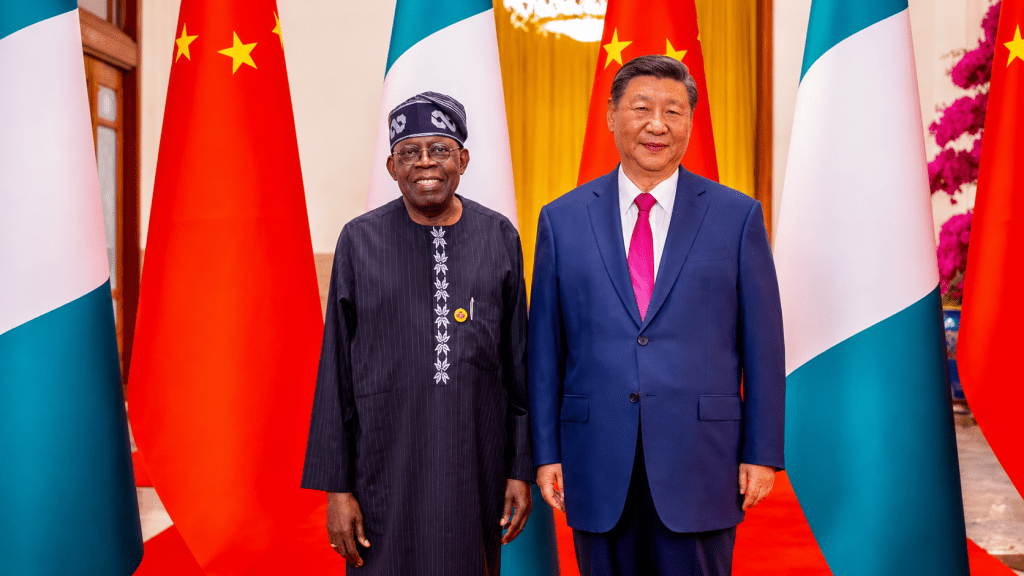
For Nigeria, the agreement represents more than another export deal. China’s enormous consumer market offers Nigerian seafood producers an opportunity to substantially increase the scale of their operations while diversifying beyond traditional export destinations. Greater access could also stimulate investment across fisheries, aquaculture, processing, cold storage and logistics.
The agreement comes at a time when economic relations between Nigeria and China are expanding rapidly. Bilateral trade reached about $18 billion during the first half of 2026, compared with roughly $28 billion for the whole of 2025. Nigerian exports to China increased by about 80 percent during the first six months of this year, highlighting the growing demand for goods from Africa’s largest economy.
The latest protocol could add new momentum to that growth by expanding the range of Nigerian products reaching Chinese consumers. Seafood has considerable potential because of China’s large market for aquatic products and the opportunity for Nigerian producers to supply fish, shrimp and other products to buyers seeking reliable international sources.
Government agencies are now focusing on ensuring Nigerian exporters can meet the standards required to compete successfully in the Chinese market. The Nigeria Agricultural Quarantine Service has pledged to work with producers and exporters to ensure their products comply with China’s quality, health and safety requirements.
Meeting those standards will be essential to the agreement’s long-term success. Reliable quality controls could help Nigerian businesses establish a stronger reputation among Chinese importers while opening opportunities for more companies to enter international supply chains. It could also encourage greater investment in processing and packaging, allowing Nigeria to capture more value before products leave the country.
The private sector is already preparing to take advantage of the opening. Atlantic Shrimpers, a Nigerian seafood company that has been engaging with the Chinese market since 2018, has identified prospective buyers and is ready to begin exports under the new arrangement. Its early preparations demonstrate the commercial interest that the agreement could generate among established producers.
The potential benefits could extend throughout Nigeria’s fisheries industry. Growing exports would create additional demand for fish farmers and commercial fishing operations while supporting jobs in processing, transportation, refrigeration, packaging and port logistics. Coastal and rural communities dependent on fisheries could be among the beneficiaries if international demand translates into greater local production.
Aquaculture could become particularly important. Nigeria has a large domestic market for fish, but expanding production for international customers could encourage investment in modern fish farms, feed production, hatcheries and processing facilities. Such development would strengthen the agricultural economy while creating another source of non-oil export earnings.
The agreement also fits into Nigeria’s broader effort to diversify an economy that has historically depended heavily on petroleum exports for foreign exchange. Expanding agricultural and manufactured exports has become increasingly important as the country seeks more stable sources of international revenue and greater participation in global value chains.
China, meanwhile, has become an increasingly important destination for African commodities and agricultural products. Wider market access for Nigerian seafood demonstrates how the relationship can expand beyond minerals, oil and major infrastructure projects into consumer goods and food trade.
The five years required to conclude the protocol also illustrate the importance of regulatory cooperation in opening international markets. Securing tariff advantages alone is not enough; exporters must meet health, safety and traceability requirements if they are to build sustainable businesses in major overseas markets.
For Nigeria, the opportunity is now to turn diplomatic negotiations into commercial results. With zero-tariff access, government support and private companies already preparing to export, the country has a chance to build a stronger seafood industry while deepening its economic relationship with China.
If Nigerian producers can meet demand consistently and maintain international standards, the agreement could become a model for expanding other agricultural exports into China. More broadly, it represents another step in Nigeria’s effort to transform its enormous productive potential into a more diversified and globally connected export economy.
