
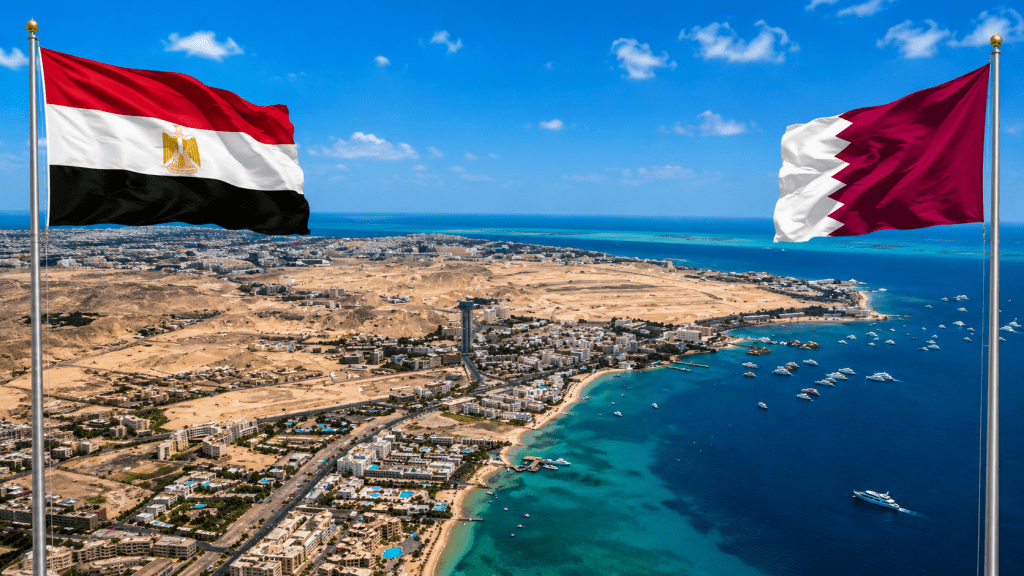
Master plans for the project include luxury residential communities, hotels, marinas, golf courses, retail centers, educational institutions and extensive public infrastructure. More than 85 percent of the development area has been reserved for open spaces, parks and landscaped environments, reflecting an emphasis on sustainability and quality of life alongside commercial development.
One of the project’s defining features will be nearly 195,000 square meters of artificial lakes designed for recreational activities such as swimming and boating. A new marina capable of accommodating 50 vessels, together with four international-standard hotels offering more than 1,000 rooms, is expected to strengthen Egypt’s appeal as a premium Mediterranean tourism destination.
The economic impact is expected to extend well beyond tourism. During the first phase, the project is projected to create approximately 30,000 direct and indirect jobs across construction, engineering, hospitality, retail and related industries. As development progresses, the new city could generate thousands of additional long-term employment opportunities while supporting local businesses and attracting private investment.
The investment also highlights the strengthening economic relationship between Egypt and Qatar. In recent years, both countries have expanded cooperation across infrastructure, real estate and energy. Qatari Diar previously contributed $3.5 billion to the Egyptian government, while the two countries have signed agreements to deepen collaboration in liquefied natural gas, sustainable aviation fuel and broader energy development.
For Egypt, the project aligns with a wider strategy of developing new urban centers to accommodate population growth, diversify the economy and unlock the commercial potential of underdeveloped coastal regions. By creating modern infrastructure outside traditional population centers, the government hopes to stimulate regional development while attracting international investors and visitors.
The Alam El-Roum project also reflects a broader trend of Gulf investment flowing into Africa. Sovereign wealth funds from Qatar, the United Arab Emirates and Saudi Arabia have increasingly targeted infrastructure, logistics, tourism and real estate projects across the continent, viewing Africa as a long-term growth market with significant economic potential.
If completed as planned, the development will become one of the largest foreign-backed real estate projects in Egypt’s history. Beyond its scale, it represents a long-term investment in tourism, urban planning and economic diversification, positioning Egypt to capitalize on growing international demand for high-quality coastal destinations while creating new opportunities for employment and sustainable growth.
