
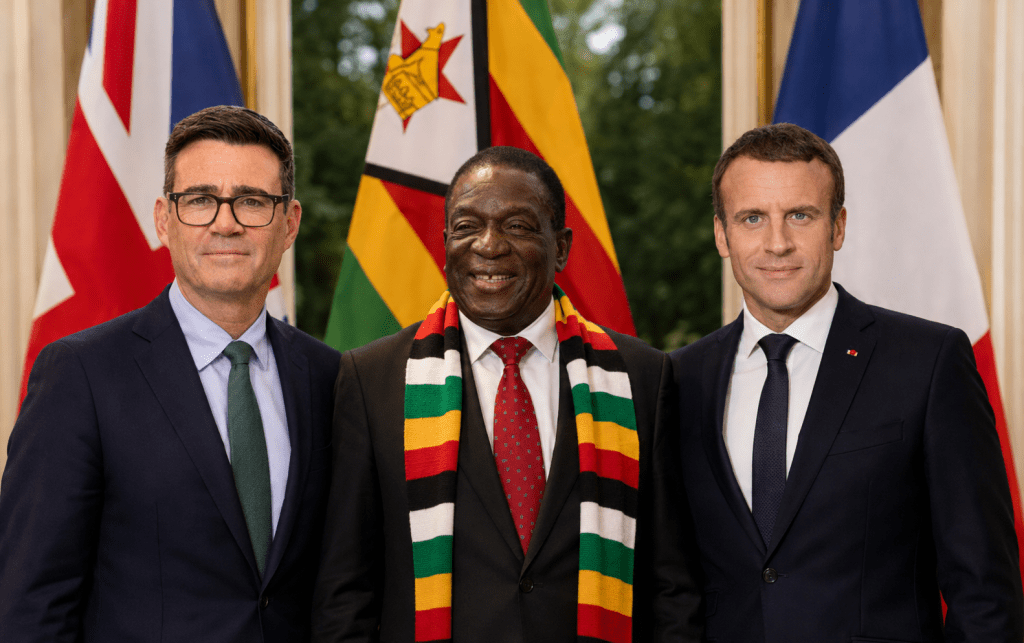
Zimbabwe’s Ministry of Finance described the agreement as an important step toward rebuilding trust with international creditors. Officials said the platform would support implementation of the country’s 10-month International Monetary Fund Staff-Monitored Programme while helping restore debt sustainability and improve access to concessional financing needed for long-term development.
For Zimbabwe, resolving its debt burden is central to unlocking a new phase of economic growth. Limited access to affordable international financing has constrained investment in infrastructure, industrial development and public services for years. A successful restructuring process would allow the country to mobilize capital for roads, energy, agriculture, healthcare and other sectors critical to economic expansion.
The involvement of France and the United Kingdom also carries broader diplomatic significance. Both countries will work alongside Zimbabwe’s Ministry of Finance and the Reserve Bank of Zimbabwe to coordinate dialogue with creditors and maintain momentum throughout the reform process. Their participation reflects increasing international support for a transparent and structured approach to resolving the country’s financial obligations.
The Debt Consultative Group is expected to provide a predictable framework for negotiations with bilateral and multilateral lenders, including institutions such as the International Monetary Fund, the World Bank, the African Development Bank and members of the Paris Club. By improving coordination among stakeholders, the platform aims to accelerate progress toward a comprehensive debt treatment.
Zimbabwe has already taken several steps to rebuild confidence among international partners. The government has committed to implementing economic reforms under the IMF Staff-Monitored Programme, strengthening fiscal discipline and improving transparency in public financial management. Those measures are intended to demonstrate the country’s readiness to normalize relations with global financial institutions.
A successful debt resolution would have implications well beyond government finances. Restored access to long-term, low-cost financing could encourage private investment, improve business confidence and support sectors such as mining, agriculture, manufacturing and infrastructure. It would also provide greater flexibility for the government to pursue development priorities while strengthening macroeconomic stability.
The inaugural meeting of the Debt Consultative Group is expected to take place this month, marking the beginning of a more structured phase in Zimbabwe’s engagement with its creditors. Progress will be closely linked to milestones under the IMF programme and continued implementation of economic reforms.
While the path to full debt resolution will require sustained commitment from both Zimbabwe and its international partners, the establishment of the Debt Consultative Group represents a meaningful step forward. By combining domestic reforms with stronger international cooperation, the initiative offers Zimbabwe an opportunity to restore financial credibility, attract new investment and lay the foundation for more sustainable long-term economic growth.
