
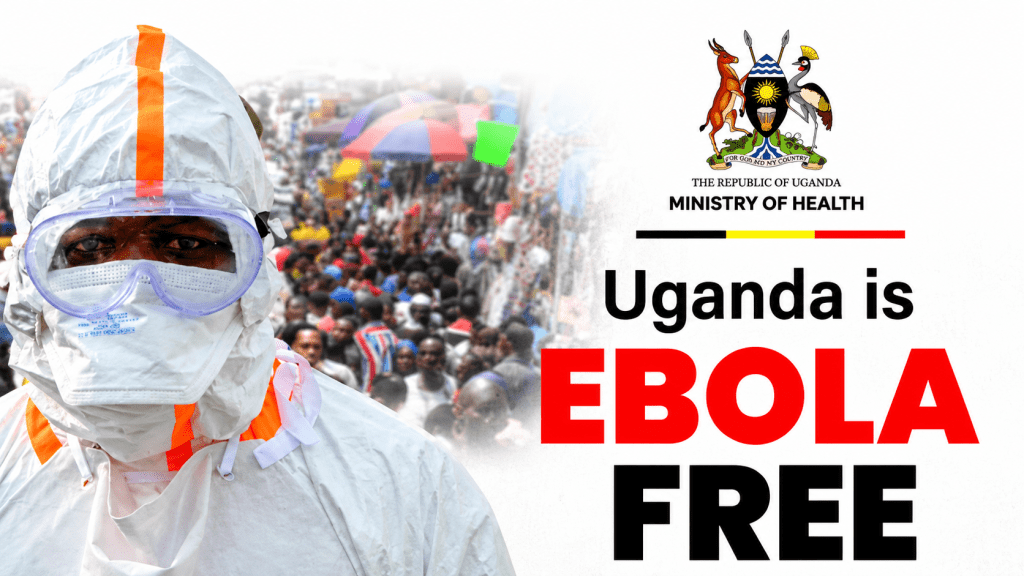
Uganda’s swift response reflects more than two decades of investment in epidemic preparedness. Since experiencing its first Ebola outbreak in 2000, the country has built specialized surveillance systems, trained rapid-response teams and strengthened laboratory capacity, enabling health officials to identify and contain outbreaks before they spread widely. Those investments have made Uganda one of Africa’s leading examples of effective epidemic management.
The successful containment effort also demonstrated the importance of regional cooperation. Health authorities worked closely with neighboring countries, the World Health Organization, Africa CDC and international partners to monitor cross-border movement, strengthen surveillance and coordinate public health interventions. Such collaboration has become increasingly important as disease outbreaks continue to cross national borders in an interconnected region.
Although Uganda has declared the outbreak over, authorities continue to maintain heightened surveillance because Ebola remains active in neighboring Democratic Republic of Congo. Continued monitoring at border crossings, rapid testing and community awareness campaigns are expected to remain central to preventing future imported cases while protecting public health.
The country’s experience has also highlighted the value of investing in resilient health systems before emergencies occur. Strong laboratory networks, well-trained frontline health workers and established emergency response structures enabled Uganda to respond quickly and limit both the human and economic impact of the outbreak. Those capabilities are increasingly viewed as essential components of national security and economic resilience.
The successful response carries wider significance for Africa as governments strengthen their capacity to detect and manage emerging health threats. Uganda’s experience demonstrates that early detection, transparent reporting and coordinated action can contain highly infectious diseases while maintaining public confidence and minimizing disruption to trade, tourism and daily life.
With the outbreak officially behind it, Uganda can now turn its full attention back to broader health priorities and economic development. While vigilance will remain essential, the country’s latest success offers another example of how preparedness, scientific expertise and regional cooperation can transform a potential public health crisis into a story of resilience and effective leadership.
