
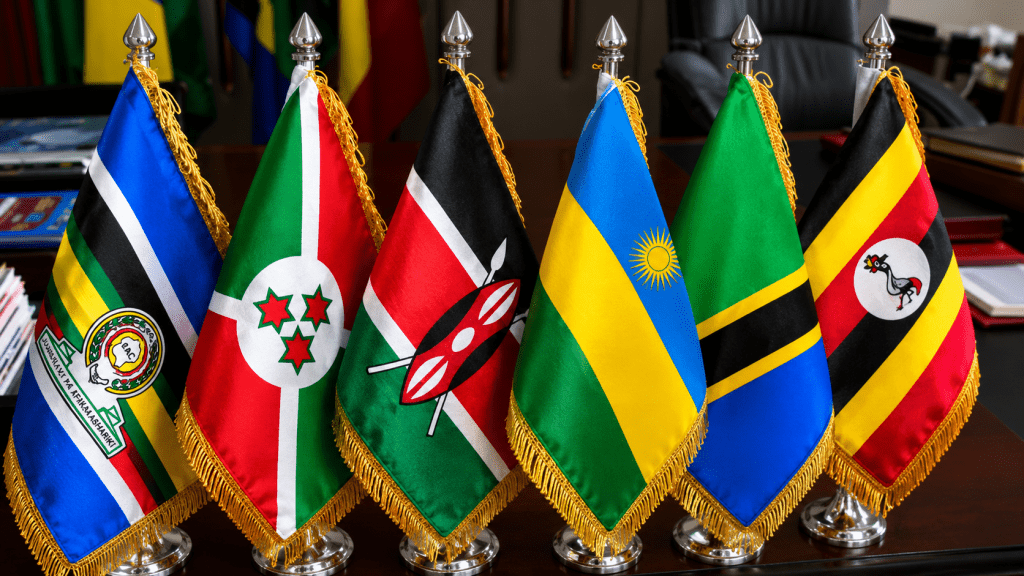
A single currency could make it easier and less expensive for businesses and consumers to trade across borders. Companies would no longer need to manage several national currencies when buying goods, paying suppliers or expanding into neighboring markets, while travelers and workers could move money more easily throughout the region. It could also reduce exchange-rate risks and improve price transparency within the common market.
The East African Community has already laid important foundations for that goal. Member states have developed regional payment systems, strengthened cooperation among central banks and worked to harmonize financial regulations, statistical standards and accounting practices. Central bank governors have also endorsed plans to modernize and connect national payment networks, creating the digital infrastructure needed for deeper monetary integration.
The bloc’s expansion has made the project more complex but potentially more valuable. The community now includes Kenya, Tanzania, Uganda, Rwanda, Burundi, South Sudan, the Democratic Republic of Congo and Somalia, bringing together a large and increasingly interconnected market. A successful monetary union would give businesses access to a wider consumer base while strengthening East Africa’s influence in continental and global trade.
Regional leaders acknowledge that countries must first bring their economies closer together. Differences in inflation, public debt, tax collection and budget deficits make it difficult to introduce a common monetary policy immediately. Rather than abandoning the project, however, officials are working to establish clearer economic benchmarks and stronger surveillance systems so that participating countries enter the union on a stable footing.
The proposed East African Monetary Institute will play an important role in that transition. It is expected to coordinate preparations for the future regional central bank, monitor economic convergence and help member states align their financial policies. Although its establishment has taken longer than initially planned, the institution remains central to the bloc’s revised roadmap toward a single currency.
Private-sector groups have also urged governments to accelerate the integration of payment systems and financial services. Business leaders argue that improvements in cross-border payments could deliver immediate benefits even before the common currency is introduced, helping companies lower transaction costs and expand regional operations.
The path toward a shared currency will require patience, discipline and sustained political cooperation. Yet the renewed 2031 target offers East Africa an opportunity to transform its growing economic ties into a more unified regional market. By strengthening institutions, aligning policies and building trust, the community could create a monetary system that supports trade, investment and long-term prosperity across the region.
