
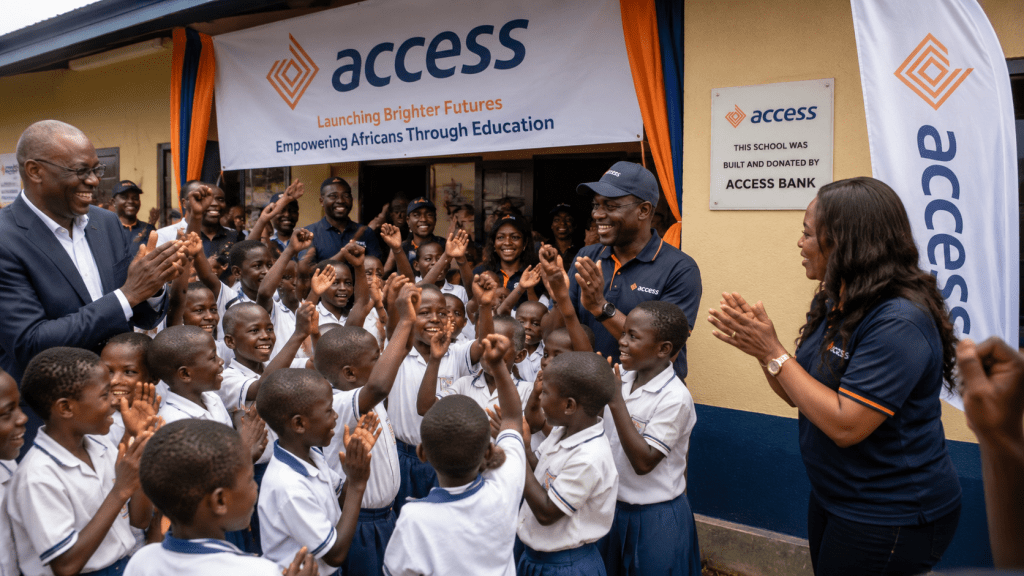
Since its establishment, the initiative has raised more than $3 million and supported over 14,000 children through the school and related education programs. The investment has extended beyond constructing classrooms, creating an environment intended to address the broader barriers that often prevent children from learning effectively.
In the school’s early years, limited infrastructure made teaching difficult and placed considerable pressure on both pupils and educators. The construction of additional classroom blocks reduced overcrowding, while libraries and computer laboratories gave children access to resources that had previously been unavailable. Boreholes improved the supply of safe drinking water, and healthcare facilities strengthened support for pupils’ physical well-being.
Those improvements also changed the school’s relationship with the surrounding community. As facilities expanded and learning conditions improved, more parents sought admission for their children. Demand eventually began to exceed the school’s available capacity, a significant reversal for an institution that had once struggled to provide even basic infrastructure.
The model reflects a broader understanding that educational success depends on more than lessons delivered inside a classroom. Children are more likely to thrive when schools also support their health, access to technology, nutrition and personal development. By investing across these areas, the partnership sought to build an education system capable of responding to the realities faced by low-income families.
The school’s results have become increasingly visible. Between 2018 and 2026, it produced 2,538 graduates while supporting interventions that reach more than 1,000 pupils each year. Girls accounted for more than 54 percent of graduates, highlighting the initiative’s role in expanding educational opportunities for young women in communities where gender inequality can limit access to schooling.
The project also offers a lesson for governments, companies and development organizations seeking lasting social impact. Large-scale change is rarely achieved through brief campaigns or isolated donations. It often requires patient investment, consistent partnerships and the willingness to support a community long after the first classrooms have been completed.
Nearly two decades after the program began, the Access Bank Fifth Chukker School stands as more than an infrastructure project. Its progress shows how sustained investment in education can improve health, expand opportunity and reshape the expectations of an entire community.
