
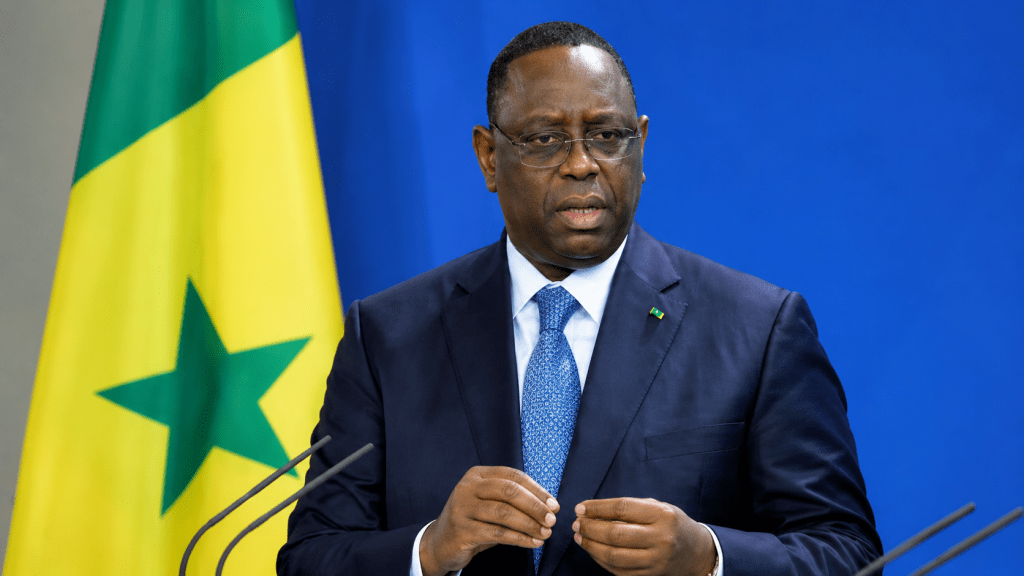
Sall’s candidacy comes at a time when Africa’s role in global affairs is expanding rapidly. The continent now accounts for nearly one-fifth of the world’s population and is expected to drive much of global population growth over the coming decades. African nations are also playing an increasingly prominent role in international peacekeeping operations, climate negotiations and discussions on reforming global financial institutions. Supporters argue that these changing dynamics strengthen the case for an African to once again lead the United Nations.
The former Senegalese leader enters the race with extensive diplomatic experience after serving as president from 2012 to 2024. During his tenure, Senegal strengthened its regional influence, oversaw the country’s emergence as an oil and gas producer and maintained a reputation as one of West Africa’s more stable democracies. Although his presidency was not without controversy, Sall has remained an influential figure in African diplomacy and regional affairs.
His campaign has gained significant momentum following the endorsement of Senegalese President Bassirou Diomaye Faye. Despite their political differences, Faye publicly declared that Sall’s bid had become “Senegal’s candidacy in the service of Africa,” signaling a rare display of national unity behind an international campaign. Burundi, which currently chairs the African Union, has also backed Sall’s nomination, reflecting broader efforts to consolidate continental support before the United Nations begins its selection process.
Selecting a United Nations Secretary-General is one of international diplomacy’s most complex processes. Candidates first undergo informal dialogues with U.N. member states before facing a series of confidential straw polls conducted by the Security Council. Any of the council’s five permanent members—the United States, China, Russia, France and the United Kingdom—can effectively block a candidate through a veto. The successful nominee is then formally recommended to the U.N. General Assembly for approval.
For many African leaders, the campaign extends beyond securing a prestigious office. They argue that greater African representation at the highest levels of global governance is necessary as the continent confronts challenges ranging from climate change and conflict to debt sustainability, food security and economic transformation. An African Secretary-General, supporters contend, could bring greater attention to issues that disproportionately affect developing nations while strengthening the voices of the Global South within the multilateral system.
Whether Macky Sall ultimately secures the position remains uncertain, but Africa’s renewed campaign marks an important moment in the continent’s diplomatic evolution. Twenty years after Kofi Annan left office, the race reflects Africa’s growing confidence, expanding geopolitical influence and determination to play a more prominent role in shaping international governance. If successful, Sall’s election would not only end a two-decade absence from the U.N.’s top office but also symbolize the continent’s rising stature on the global stage.
