
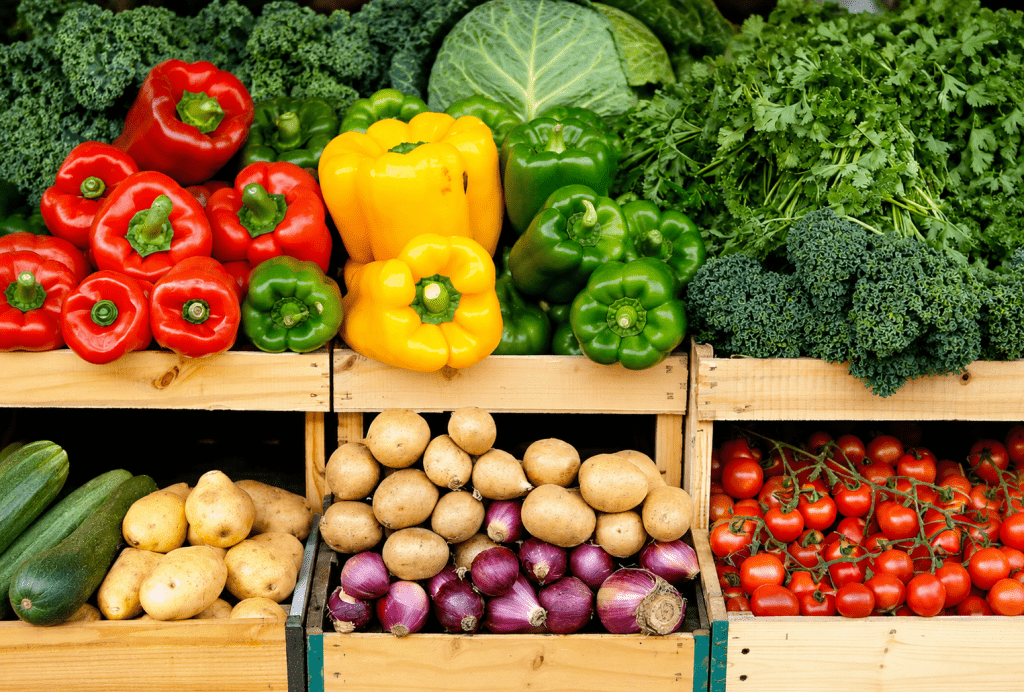
For years, Mozambique has depended heavily on South Africa for fresh vegetables, particularly during periods of low domestic production. While cross-border trade has helped stabilize food supplies, it has also exposed consumers and businesses to fluctuations in exchange rates, transport costs and regional supply disruptions. Expanding local production is therefore seen not only as an agricultural priority but also as an important step toward improving national food security and lowering food prices.
The government’s renewed confidence follows significant progress in restoring farmland affected by recent floods. Irrigation systems, transport links and farming operations have gradually resumed, allowing producers in Gaza Province to return to commercial cultivation. Officials believe the province’s fertile soils, expanding irrigation infrastructure and favorable climate give it the potential to become one of Mozambique’s leading vegetable-producing regions.
The strategy also places greater emphasis on collaboration between government, commercial farmers and seed companies to improve crop yields and farming efficiency. Access to improved seed varieties, modern farming techniques and reliable irrigation is expected to increase productivity while enabling farmers to supply markets consistently throughout the year. These investments are intended to strengthen the competitiveness of locally produced vegetables against imported alternatives.
Agriculture remains a cornerstone of Mozambique’s economy, employing the majority of the country’s workforce and supporting millions of rural households. Yet the sector has long been vulnerable to floods, droughts and cyclones that frequently disrupt production. By investing in climate resilience and expanding domestic food production, the government aims to build a more stable agricultural sector capable of withstanding future weather-related shocks.
Reducing vegetable imports could also generate wider economic benefits. Increased local production would create new opportunities for farmers, transport companies, food processors and wholesale markets while keeping more agricultural spending within the domestic economy. A stronger horticulture industry could also encourage investment in cold storage, packaging and logistics, helping Mozambique develop a more integrated agricultural value chain.
For Mozambique, the campaign to replace imported vegetables represents more than a post-flood recovery effort. It reflects a broader vision of strengthening agricultural resilience, supporting rural livelihoods and reducing dependence on external food supplies. If successful, the initiative could transform Gaza Province into a key driver of the country’s food security while demonstrating how strategic investment in local agriculture can reduce import dependence and stimulate long-term economic growth.
