
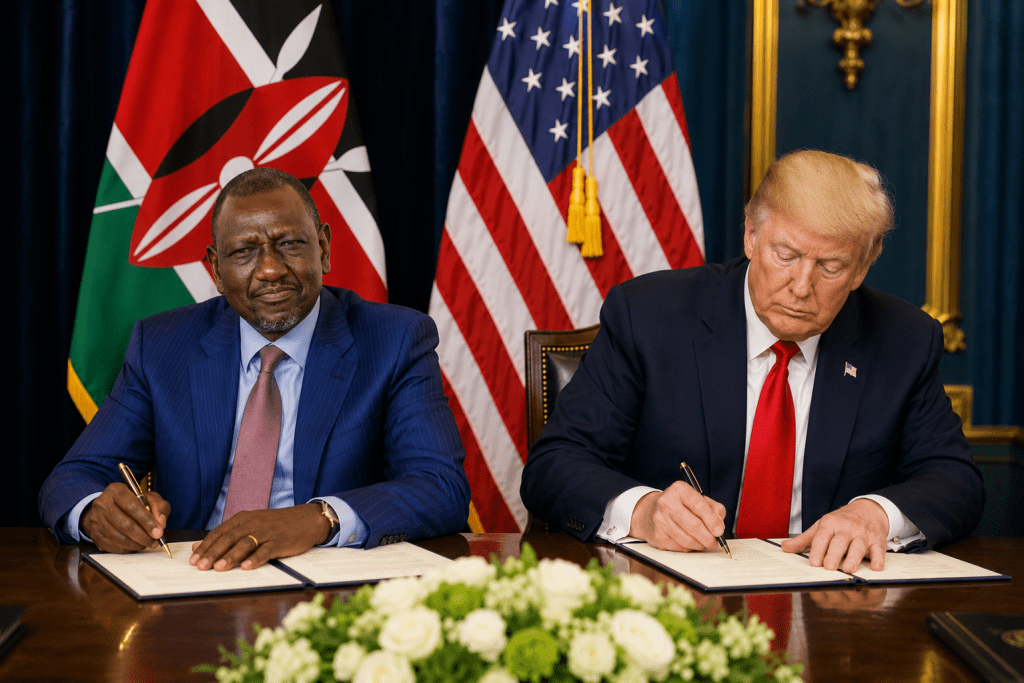
Kenya’s health sector has made notable progress over the past two decades in combating infectious diseases such as HIV/AIDS, tuberculosis and malaria, largely through collaboration with international partners. Yet sustaining those gains has become increasingly important as governments confront tighter development budgets and rising healthcare demands. Officials view the new agreement as an opportunity to strengthen domestic institutions while preserving access to life-saving services for millions of people.
The partnership is expected to channel investment toward healthcare infrastructure, workforce development, disease surveillance, laboratory capacity and digital health systems. Expanding local manufacturing of medical products, improving supply chains and strengthening emergency preparedness are also expected to feature prominently as Kenya works to build a more resilient healthcare system capable of responding to future public health challenges.
The agreement reflects a wider evolution in the relationship between the United States and African countries. Rather than providing open-ended assistance, Washington has increasingly pursued collaborative frameworks that encourage partner governments to assume greater responsibility for financing and managing national development priorities. Similar health agreements have been negotiated with Uganda, Rwanda and Tanzania as part of the United States’ broader global health strategy.
Supporters argue that the new model offers a more sustainable path toward universal healthcare by encouraging domestic investment and strengthening national institutions. A health system financed and managed largely by local governments, they contend, is better positioned to withstand external funding shocks while responding more effectively to local needs. The approach also aims to encourage greater accountability by linking financial commitments to measurable improvements in healthcare delivery.
The agreement has nevertheless attracted scrutiny from some civil society organizations and legal experts, particularly over provisions relating to data governance and the broader terms of international cooperation. Critics have called for greater transparency to ensure that implementation fully protects national interests while maintaining public confidence in the partnership. Kenyan authorities have emphasized that the agreement is intended to strengthen, rather than diminish, the country’s control over its healthcare system.
For Kenya, the partnership represents more than a major financing package. It signals a transition toward a healthcare system built on stronger domestic capacity, shared responsibility and long-term resilience. If successfully implemented, the agreement could provide a model for future development partnerships across Africa, demonstrating how international cooperation can evolve from aid dependency toward sustainable national ownership.
