
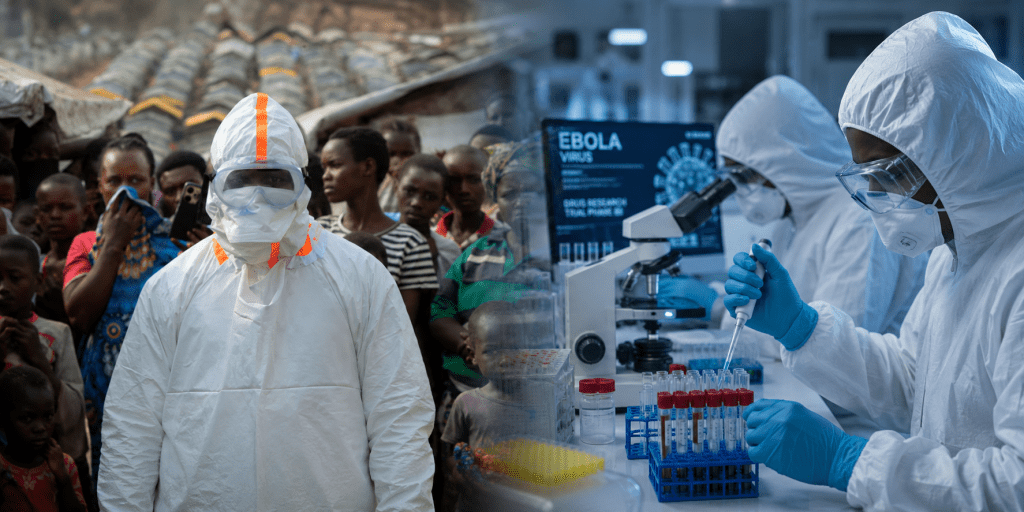
Africa CDC Director-General Jean Kaseya has described the funding gap as an immediate public health concern, stressing that the scientific community has an opportunity to generate evidence that could transform future Ebola responses. The agency estimates that approximately $16 million is required to conduct the obeldesivir trial, with an additional $2 million to $3 million needed to strengthen contact tracing and field operations that are essential to containing the outbreak.
The appeal comes amid mounting concern over the scale of the epidemic. The Bundibugyo strain has spread rapidly across parts of eastern Congo and into neighboring Uganda, becoming one of the largest outbreaks ever recorded for this particular variant of the virus. Unlike the more common Zaire strain, Bundibugyo currently has no licensed vaccine or approved treatment, making clinical research a critical component of the response.
Health experts warn that time is becoming an increasingly important factor. The effectiveness of experimental therapies depends on their ability to reach patients quickly, while successful clinical trials require sustained funding, strong surveillance systems and robust community engagement. Delays could not only reduce the chances of identifying effective treatments but also allow the virus to spread further in regions already grappling with conflict, displacement and limited healthcare infrastructure.
Africa CDC is coordinating the research effort with international partners, including the World Health Organization, the International AIDS Vaccine Initiative and the Coalition for Epidemic Preparedness Innovations. Together, the organizations hope to accelerate scientific research while strengthening surveillance, laboratory capacity and emergency response systems across affected areas. The collaboration reflects a growing recognition that outbreaks involving previously under-researched Ebola strains require both rapid scientific innovation and sustained international cooperation.
Beyond the immediate health emergency, the trials could have lasting implications for global infectious disease preparedness. Demonstrating the effectiveness of new antiviral drugs would expand the world’s arsenal against future Ebola outbreaks and improve the ability of health authorities to respond more quickly to emerging variants. Public health specialists argue that investing in research during active outbreaks is essential to reducing mortality and preventing future epidemics from escalating into broader humanitarian crises.
For Africa CDC, the funding appeal represents more than a request for emergency assistance. It is a call to accelerate scientific progress at a moment when timely research could save lives and reshape the future of Ebola treatment. As the outbreak continues to evolve, the success of the clinical trials may prove critical not only for the Democratic Republic of the Congo but also for strengthening Africa’s capacity to confront future public health emergencies.
