
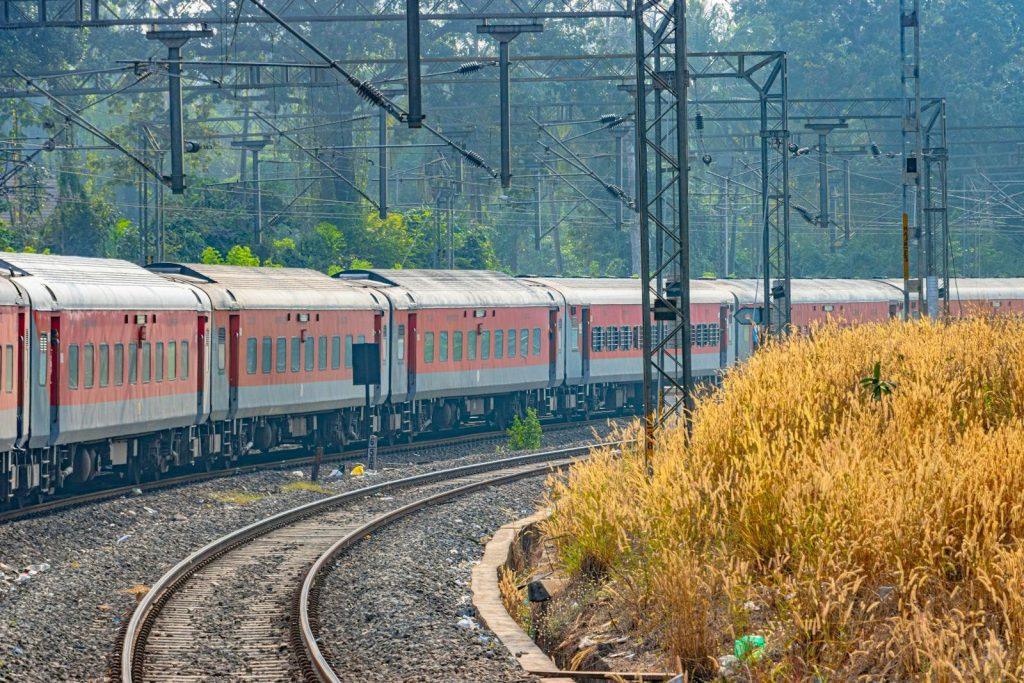
The railway, planned to span approximately 1,219 kilometers, is designed to move both passengers and freight more efficiently between the coast and the country’s inland economic corridors. Once completed, officials say it will strengthen access not only within Tanzania but also for neighboring landlocked countries including Rwanda, Burundi, Uganda and the Democratic Republic of Congo, all of which depend heavily on regional transport links for trade.
For Tanzania, the project is about far more than rail.
The government has increasingly framed the Standard Gauge Railway as the backbone of a long-term economic strategy aimed at reducing logistics costs, easing pressure on road transport and transforming Dar es Salaam into a stronger competitor to regional ports, particularly Mombasa in Kenya. In a region where transport inefficiencies can significantly raise the cost of goods, modern rail infrastructure is viewed as a decisive advantage.
Construction of the new sections will be carried out by a consortium that includes Turkey’s Yapi Merkezi and China Civil Engineering Construction Corporation, reflecting the continued role of international contractors in Africa’s large-scale infrastructure development. The financing itself was assembled through a blend of export credit agencies, development finance institutions and commercial lenders — a model increasingly used by governments seeking to fund capital-intensive projects without relying solely on sovereign borrowing.
The railway forms part of Tanzania’s wider plan to build a 2,561-kilometer modern rail network, linking its ports to inland markets and regional neighbors. Officials believe the system could significantly reduce freight costs while improving the speed and reliability of cargo movement across East and Central Africa.
Across the continent, similar investments are gathering pace. Governments are increasingly turning to rail as a strategic tool for unlocking intra-African trade under the African Continental Free Trade Area, where poor transport networks remain one of the largest barriers to regional commerce. Efficient rail systems can reduce congestion at ports, lower export costs and create more predictable supply chains for manufacturers and agricultural producers alike.
For Tanzania, the latest financing agreement signals growing confidence from international lenders in the country’s infrastructure agenda. It also reflects a larger contest underway across East Africa, where ports, railways and logistics corridors are becoming central to economic competition and regional influence.
Whether the railway ultimately delivers on its promise will depend on execution, cost discipline and long-term operational efficiency. But for now, the $2.33 billion deal marks a significant step in a project that could reshape how goods move across one of Africa’s most commercially important regions.
