
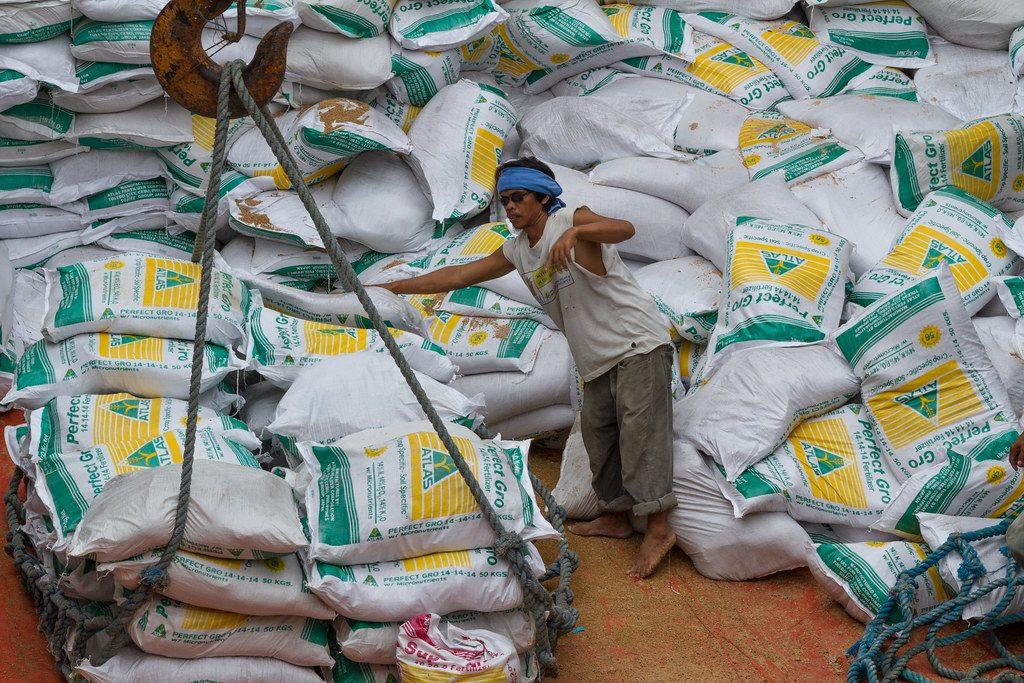
At the center of the shift is OCP Group, the Moroccan state-backed mining and fertilizer company that controls some of the world’s largest phosphate reserves and has long played an outsized role in global agricultural supply chains. Morocco holds roughly 70 percent of the world’s known phosphate reserves, making the country a strategic supplier of one of farming’s most essential inputs.
For years, however, that access to the American market was constrained.
In 2021, the United States imposed countervailing duties on phosphate fertilizer imports from Morocco following complaints from domestic producers, sharply reducing shipments and driving up costs for American farmers. U.S. imports of key phosphate fertilizers fell from a peak of 1.85 million tonnes in 2018 to an average of just 182,300 tonnes annually between 2021 and 2025, according to data cited by Argus Media.
Now, lawmakers in Washington are pushing to reverse that decision.
The proposed legislation, led by Senator Roger Marshall of Kansas and supported by lawmakers from major farming states, would eliminate the tariffs, repeal the 2021 duty order and reopen access to Moroccan phosphate supplies. Supporters argue that the duties have distorted the fertilizer market and contributed to higher input costs for U.S. growers already facing volatile commodity prices and supply disruptions.
If passed, the measure could reduce phosphate fertilizer prices in the United States by more than 20 percent, roughly $150 per short ton, while reviving demand for Moroccan exports.
The timing is especially significant.
Fertilizer markets worldwide have been under renewed strain as instability around the Strait of Hormuz disrupts shipping routes for ammonia, urea and phosphate products. Research groups warn that prolonged restrictions in the Gulf could intensify shortages and push prices even higher, particularly for import-dependent regions in Africa and Asia.
For Morocco, the potential reopening of the U.S. market offers both economic and strategic advantages. It would not only strengthen export revenues for OCP, but also reinforce the country’s growing importance in global food security at a time when fertilizer access has become as much a geopolitical issue as an agricultural one.
The company has spent years expanding production capacity and positioning itself as a stabilizing force in international fertilizer markets, particularly across Africa, where governments are seeking more reliable regional supply chains to reduce dependence on distant producers.
Yet the debate in Washington also highlights a broader tension in global trade: the balance between protecting domestic industries and ensuring affordable access to critical agricultural inputs.
For American farmers, the issue is immediate and practical; the cost of fertilizer can determine planting decisions and profit margins. For Morocco, it is a reminder that control over strategic minerals can shape influence far beyond mining itself.
If the restrictions are lifted, OCP would regain access to one of the world’s most valuable agricultural markets. And in a year when fertilizer prices are once again becoming a global political issue, that opening could prove far more significant than a simple trade adjustment.
