
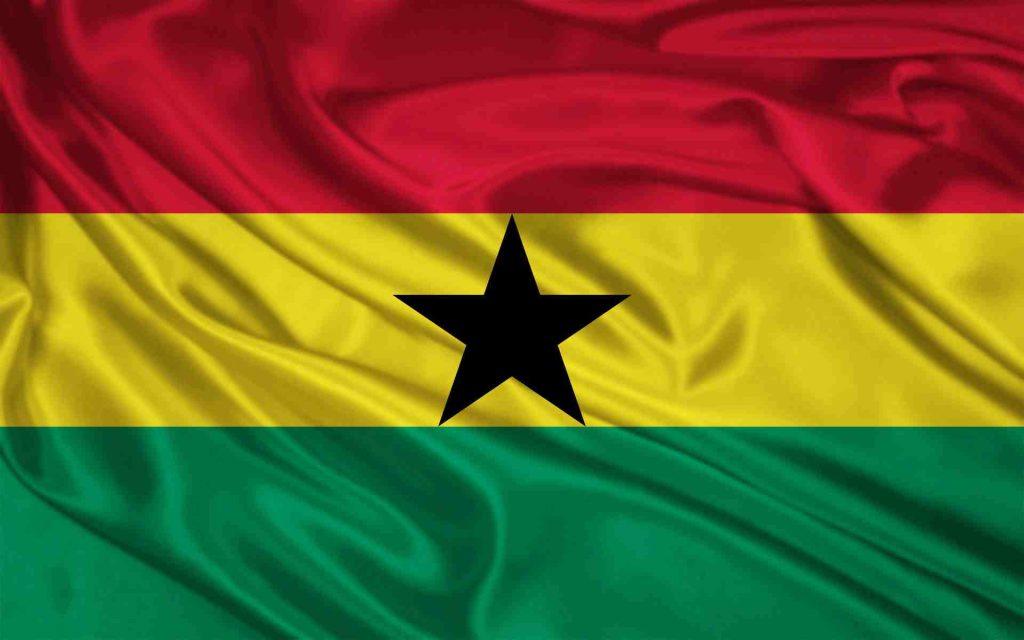
For President John Dramani Mahama, the decision carries historical weight. Ghana has long presented itself as a champion of Pan-Africanism, tracing its political identity to the ideals of independence-era leaders who envisioned a continent less divided by borders. The new policy, officials say, is intended to give practical effect to that vision by lowering barriers to movement, trade and cultural exchange.
Under the arrangement, African travelers will still be required to complete an application process through a new electronic visa platform. But the system will waive fees, allowing entry at no cost while maintaining security screening measures.
The change represents an expansion of earlier visa policies that applied only to selected countries or allowed visas on arrival. By extending access to all African nationals, Ghana joins a small but growing group of countries—including Rwanda, Benin, The Gambia and Seychelles—that have adopted similarly open travel regimes.
Officials in Accra have framed the policy as both an economic and strategic measure. By easing travel restrictions, they hope to attract greater volumes of tourists, business travelers and investors, while strengthening Ghana’s position as a regional hub within the framework of the African Continental Free Trade Area.
The timing is deliberate. Across Africa, governments are increasingly experimenting with visa liberalization as a way to stimulate intra-African trade, which remains low compared with other regions. Removing travel barriers is seen as one of the more immediate steps countries can take to accelerate economic integration.
Yet the initiative also reflects a broader recalibration of how nations define openness in an era of heightened security concerns. Ghanaian officials have emphasized that the new system will be supported by digital screening tools and international databases, an effort to balance accessibility with oversight.
For travelers, the practical impact may be straightforward: fewer bureaucratic hurdles and lower costs. For policymakers, the implications are more far-reaching. The success of the policy will depend not only on the volume of visitors it attracts, but also on whether it can translate into sustained economic activity.
Still, the gesture is unmistakable. At a time when borders in many parts of the world are becoming more restrictive, Ghana is moving in the opposite direction, opening its doors to a continent and, in doing so, advancing a long-standing idea that Africa’s future may depend as much on mobility as it does on resources.
