
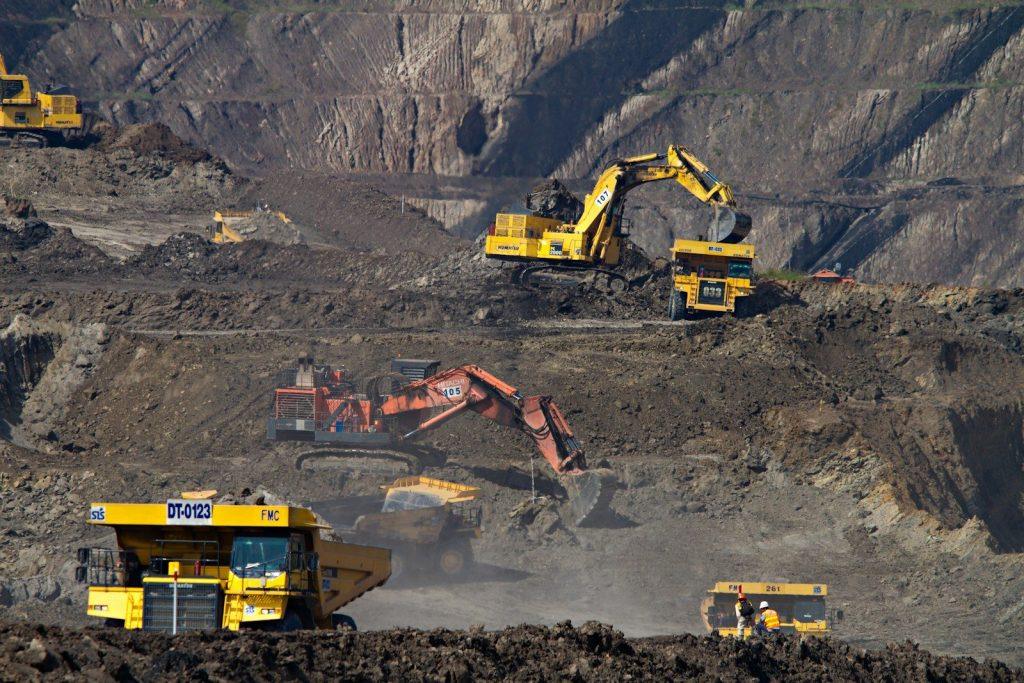
At the center of Nigeria’s strategy is a shift from exporting raw materials to developing value-added industries at home. Government officials have outlined plans to expand refining capacity for key minerals, while integrating mining operations with transport networks, energy infrastructure and industrial zones.
“Our vision is clear,” one official said in recent remarks, emphasizing that minerals should no longer leave the country in unprocessed form, a sentiment that underscores a broader effort to capture more value domestically.
The scale of ambition is considerable. The proposed $26 billion investment drive is expected to support exploration, processing facilities and infrastructure development, while also strengthening Nigeria’s position within emerging regional supply chains. The government has also signaled its intention to align mining growth with the development of energy corridors, networks that combine power generation, transmission and industrial activity to support large-scale production.
Such corridors are increasingly seen as essential to unlocking Africa’s mineral wealth. Without reliable energy and transport systems, many resource-rich regions remain isolated, limiting their ability to attract sustained investment. By linking mining zones to ports and industrial hubs, Nigeria hopes to overcome these structural constraints and position itself as a gateway for both regional and global markets.
The strategy is unfolding at a time of renewed investor interest in Africa’s extractive industries. Across the continent, governments are working to capitalize on rising demand for critical minerals, with policymakers emphasizing local beneficiation, the process of adding value before export, as a path toward industrialization and job creation.
Nigeria’s own mining sector, though historically overshadowed by oil, has shown signs of momentum in recent years. Reforms aimed at improving regulation and transparency have contributed to increased activity, including a rise in licensing and revenue collection.
Yet significant challenges remain. Building a globally competitive mining industry will require not only capital, but also stable policy frameworks, environmental safeguards and the development of technical expertise. Infrastructure gaps, particularly in power and transport, continue to pose constraints, even as the government seeks to address them through its corridor-based approach.
There are also questions about execution. Large-scale investment pledges have, in the past, struggled to translate into fully realized projects, often hindered by bureaucratic delays, financing gaps or shifts in political priorities. Ensuring that the current push results in tangible outcomes will depend on sustained coordination between government agencies, private investors and international partners.
Still, the direction of travel is becoming clearer. As global supply chains evolve and the demand for minerals intensifies, Nigeria is positioning itself not merely as a supplier of raw materials, but as a participant in a more complex industrial ecosystem, one that links mining to energy, manufacturing and regional trade.
If successful, the strategy could mark a turning point for Africa’s largest economy, offering a pathway toward diversification and greater resilience in a rapidly changing global landscape. But as with many of the continent’s most ambitious development plans, its ultimate impact will hinge on whether vision can be matched by execution.
