
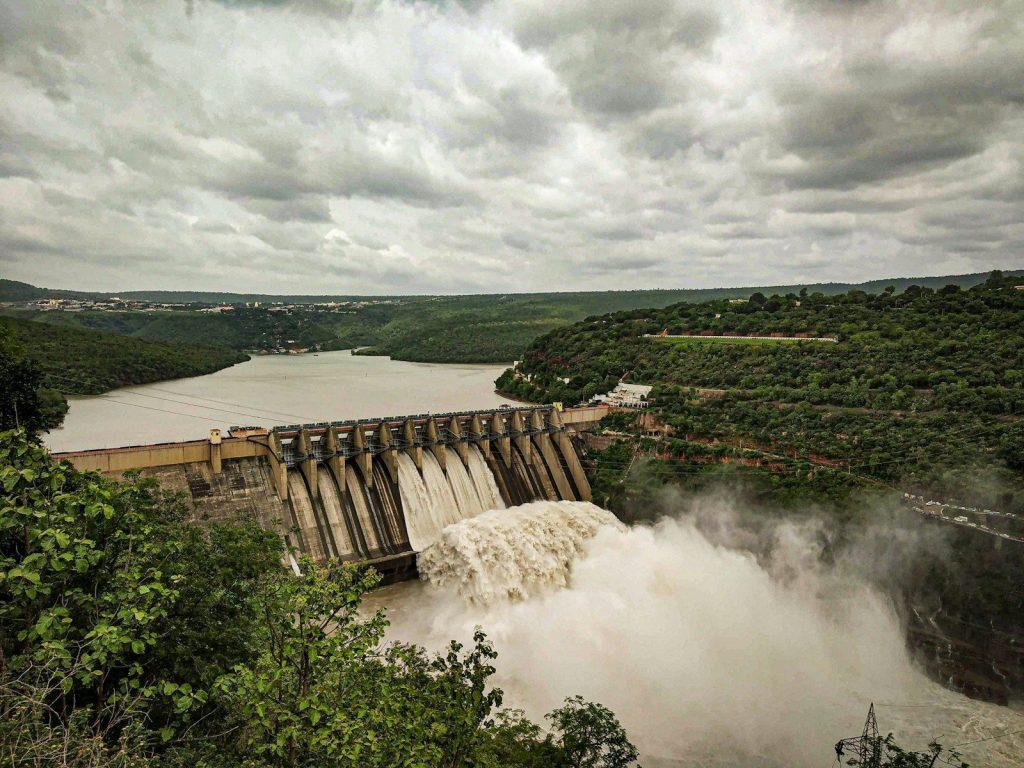
At an estimated cost exceeding $10 billion, the proposed dam forms part of the broader Grand Inga scheme along the Congo River, a project long envisioned as a cornerstone of Africa’s industrial and economic transformation. If completed, Inga 3 could generate between 4,800 and 11,000 megawatts of electricity, placing it among the largest hydropower developments in the world.
For South Africa, where persistent power shortages have constrained economic growth, the project represents both an opportunity and a necessity. Existing agreements between the two countries provide for the export of 2,500 megawatts of electricity to South Africa, but officials are now considering doubling that figure to 5,000 megawatts as demand continues to rise.
The renewed talks will include a visit to Kinshasa by South Africa’s electricity minister, who is expected to review and update bilateral energy arrangements tied to the project.
Beyond its bilateral significance, Inga 3 carries broader regional implications. Analysts say the project could serve as a backbone for electricity trade across southern, eastern and central Africa, feeding multiple power grids and easing chronic shortages that have long hindered industrial expansion.
The dam would also reinforce the Democratic Republic of Congo’s position as a potential energy powerhouse. The country sits on one of the world’s largest untapped hydropower reserves, with the Congo River alone capable of generating vast amounts of clean electricity if fully developed.
Still, uncertainty remains. The Inga 3 project has been discussed for decades, often stalling over financing challenges, governance concerns and questions about long-term viability. While feasibility studies and early-stage planning have advanced in recent years, construction timelines remain unclear, and the project’s realization will depend heavily on sustained political will and investor confidence.
For now, the renewed engagement between Congo and South Africa signals cautious momentum. Whether that momentum translates into concrete progress, or becomes another chapter in the project’s long history of delays, will likely determine the future of one of Africa’s most consequential energy ambitions.
