
The funds will be drawn from Kenya’s newly created National Infrastructure Fund, a financing vehicle designed to channel capital raised through asset sales and public offerings into large-scale development projects. Officials say the airport expansion will be among the first major initiatives supported by the fund.
The decision follows a significant capital-market transaction that saw the government sell a 65 percent stake in the Kenya Pipeline Company, raising about 106.3 billion Kenyan shillings, or roughly $823 million. The offering, one of the country’s largest in nearly two decades, attracted strong interest from investors and underscored growing appetite for infrastructure-linked assets in Kenya’s economy.
Authorities say the proceeds will be directed toward priority infrastructure investments, including roads, railways, ports and airports, as the government seeks to modernize the country’s transport network. The approach reflects a broader shift toward financing development projects through capital markets and private investment rather than relying solely on external borrowing.
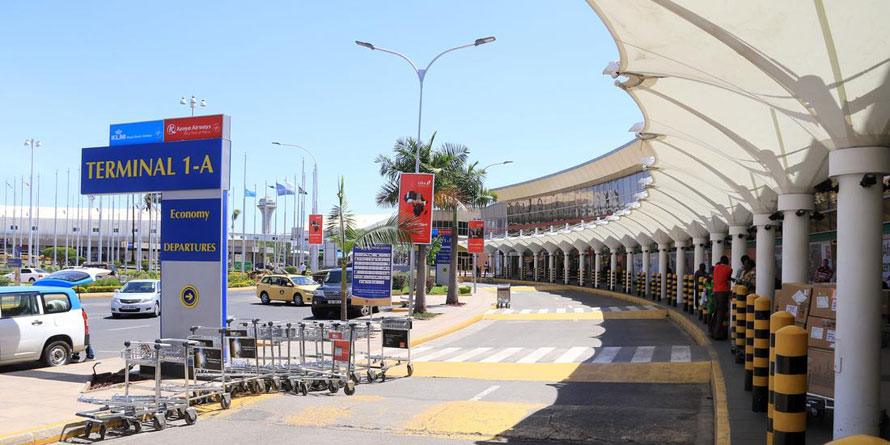
Within that strategy, Nairobi’s main airport has emerged as an urgent priority. Passenger numbers and cargo volumes have climbed steadily in recent years, putting pressure on facilities that were not designed for the scale of traffic now passing through the hub.
Officials say the initial funding will help support early works for a broader modernization program that could eventually include expanded terminal capacity and improvements to airport infrastructure. The goal, they say, is to ensure that Jomo Kenyatta International Airport remains competitive as regional aviation hubs across Africa expand their own facilities.
For the Ruto administration, the plan also signals a new model for funding national development, one that seeks to mobilize domestic investment and leverage state assets to finance critical infrastructure while limiting additional strain on public finances.
