
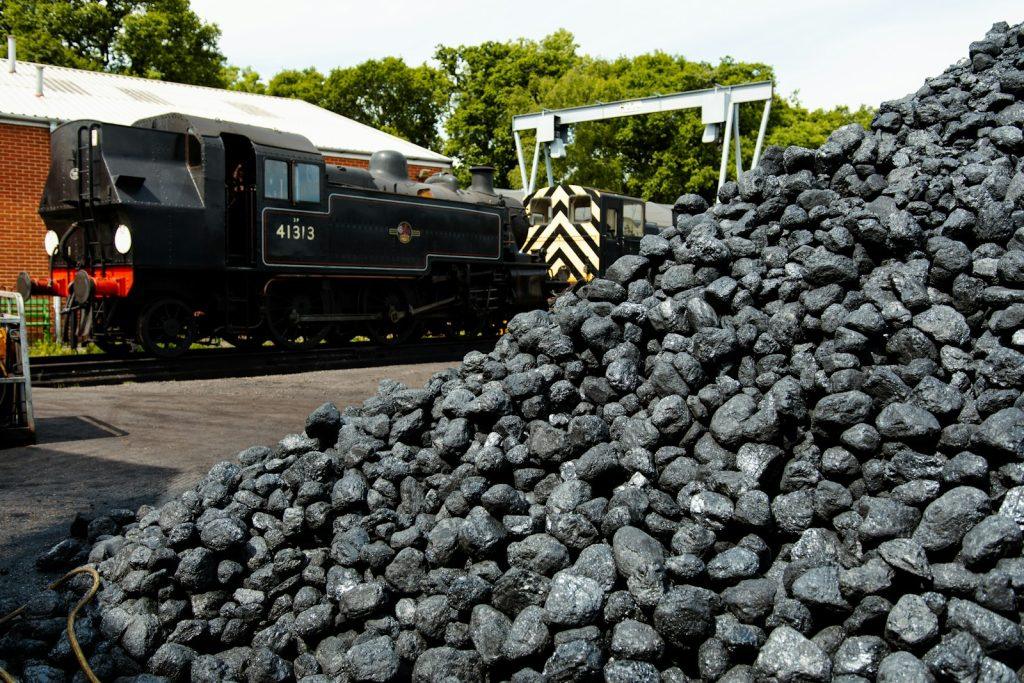
Rainer Baake, Germany’s special envoy for the program, said at a briefing that the additional financing would propel efforts to expand renewable energy, modernize the national grid and support climate-resilient infrastructure, a critical priority for a country long dependent on coal. South Africa still derives roughly 80% of its electricity from coal-fired power plants, making it one of the most carbon-intensive major economies in the world.
Mr. Baake highlighted that the package would broaden their cooperation and help accelerate South Africa’s clean-energy transition, emphasizing Berlin’s commitment to a just transition that also preserves jobs and social stability in coal-dependent communities.
If agreed, the proposed contribution would raise Germany’s total climate-related support to South Africa under the energy partnership to about €2.68 billion, according to financial disclosures and previous commitments, up from an initial pledge of €986 million. That sum includes earlier concessional loans and technical assistance aimed at decarbonizing the power sector, building renewable capacity and strengthening institutional frameworks.
The Just Energy Transition Partnership, which also includes commitments from France, the United Kingdom, the European Union and other partners, was designed to help nations like South Africa invest in wind, solar and green hydrogen projects while managing the economic risks of closing coal plants. Officials in Pretoria have argued that international climate finance is essential to stabilize the nation’s grid and attract private capital to renewable projects.
South Africa’s power challenges, frequent blackouts and aging infrastructure have underscored the urgency of diversifying its energy mix. Government leaders have welcomed international support but warned that transitions of this scale must be carefully managed to avoid deepening inequalities or exacerbating unemployment in regions tied to the coal economy.
Germany’s expanded backing comes amid broader global debates about climate finance and the responsibilities of wealthy countries to assist emerging economies in cutting emissions without compromising growth. For South Africa, the issue is especially acute: a relatively advanced energy sector, heavy industrial base and entrenched coal dependence create a delicate balance between environmental ambition and economic reality.
The outcome of the negotiations could have implications beyond South Africa, influencing how future climate finance deals are structured and how developing nations engage with multilateral partners seeking to accelerate global decarbonization efforts.
