
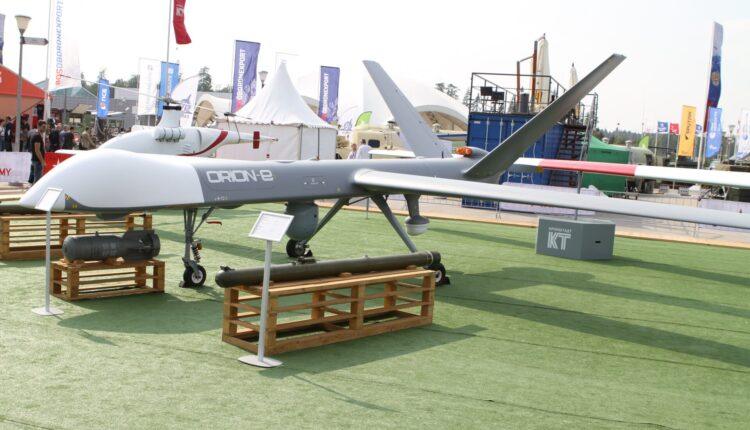
The drone’s appearance in Ethiopian service marks the first publicly verified export of the Orion platform, which first flew in 2016 and has been deployed by Russian forces in combat operations in Syria and Ukraine. Until now, no foreign operator of the system had been confirmed, despite years of international marketing by the manufacturer.
The acquisition comes amid broader efforts by Ethiopia’s government to modernize its armed forces and deepen strategic ties with non-Western partners. Ethiopia has previously operated drones from several countries, including Turkish Bayraktar TB2s, but the Orion-E’s introduction signals a higher level of capability and reflects Addis Ababa’s willingness to diversify its military suppliers.
Russia’s export of the Orion-E also highlights Moscow’s intent to expand its defense footprint beyond traditional spheres of influence, particularly into Africa, where competition among global powers for military partnerships has intensified in recent years. The deal aligns with broader bilateral cooperation that includes discussions on strategic security and shared defense interests.
Analysts say that long-endurance drones like the Orion-E are increasingly attractive to countries seeking affordable alternatives to Western systems, which often come with stringent export controls and political conditions. The Orion-E’s relatively lower cost and fewer restrictions could make it appealing to a range of potential buyers, even as detailed specifications for the export version remain limited.
Still, the drone’s combat record has been mixed. Open-source research has documented losses of Orion aircraft in Ukraine, underscoring vulnerabilities faced by medium-altitude systems in contested airspace equipped with modern air defenses.
For Ethiopia, the introduction of the Orion-E represents not just an upgrade in capability but a strategic investment in autonomous systems at a time when the role of unmanned aircraft is rapidly expanding in military doctrine worldwide. How the country ultimately deploys the system will be closely watched by regional and global observers alike.
