
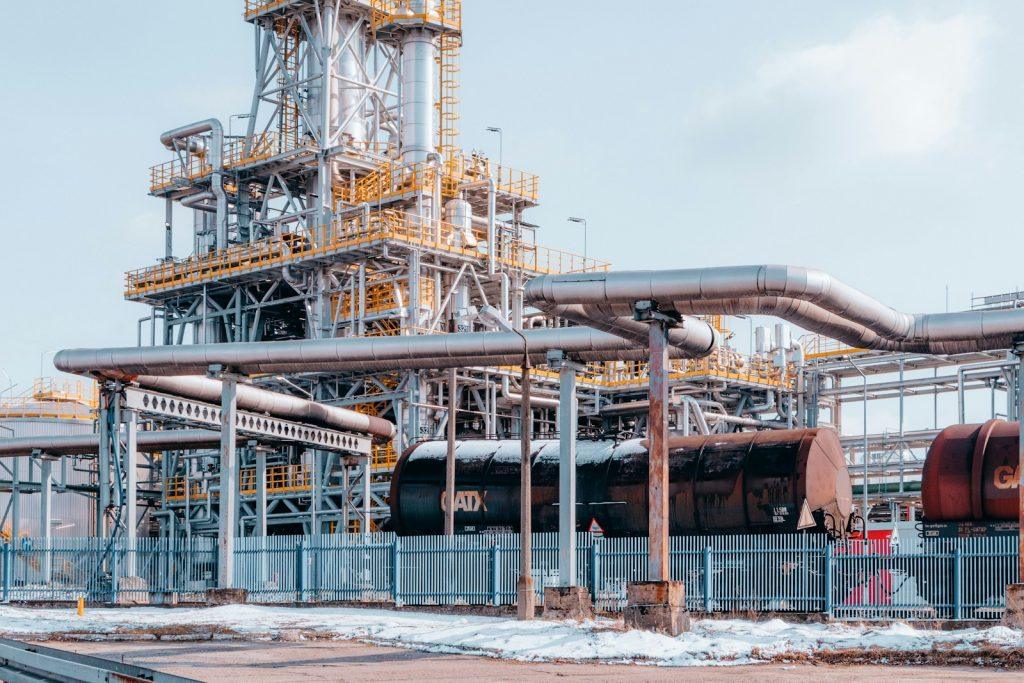
The refinery, planned for the oil-rich Albertine Graben region near Lake Albert in western Uganda, represents one of the largest private-sector energy investments in the country’s history. Under the proposed structure, Alpha MBM Investments would hold a 60% stake, while the Uganda National Oil Company would retain 40%, a configuration officials say demonstrates both local control and foreign confidence in the venture.
For decades, Uganda has exported crude oil and then imported nearly all of its refined fuels, a pattern that has strained foreign exchange reserves and contributed to domestic inflation. By refining its own crude and selling petroleum products domestically and potentially to neighboring countries, Kampala hopes to reverse that trend and become a net exporter of finished fuels.
The refinery is expected to begin operations in late 2029 or early 2030, according to energy analysts familiar with the project’s timeline, a schedule that reflects both the technical and financial ambitions of the undertaking.
Regional reactions have been mixed. Some analysts in East Africa view the development as a potential boon for trade and energy independence. Others caution that competition could intensify among neighboring countries with refining capacity, including Kenya and Tanzania, as Uganda seeks to export products to a broader market.
President Yoweri Museveni, who has championed the project as central to Uganda’s economic transformation, framed it as a break from a cycle of exporting raw materials and importing finished products, a dynamic he long has criticized as a legacy of underdevelopment.
The president noted that this is value added at home during the signing ceremony in 2025, describing the refinery as a step toward industrial self-reliance.
The refinery’s progress also comes at a time when Uganda’s wider energy landscape is evolving. New crude production from fields in the Lake Albert Basin, connected to export infrastructure such as the East African Crude Oil Pipeline to the Indian Ocean port of Tanga, lays the foundation for greater integration of upstream and downstream operations.
Still, the project faces substantial hurdles. Financing remains complex, and infrastructure development at this scale carries inherent risks, from cost overruns to regulatory and environmental challenges. Observers say that careful oversight and continued political will will be crucial if the refinery is to fulfill its promise of reshaping Uganda’s role in regional energy markets.
