
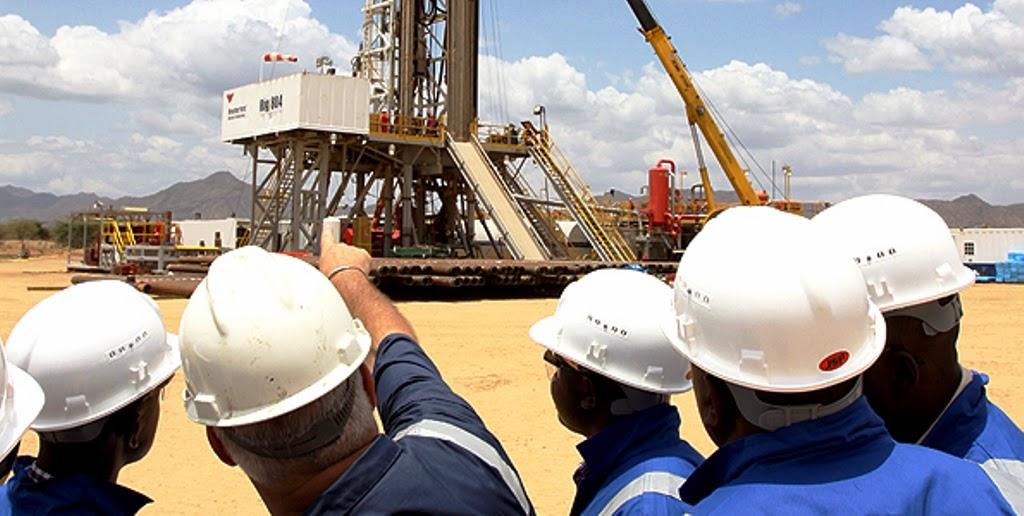
Last year, Gulf Energy, a regional energy firm, completed a $120 million acquisition of the Turkana oil project from Tullow, inheriting responsibility for submitting a Field Development Plan, a comprehensive blueprint that lays out how oil reserves would be tapped, processed and brought to market. The plan is now before Parliament, which is expected to approve or reject it by February.
The development plan represents more than just technical schematics. It embodies Kenya’s broader ambitions to leverage its natural resources for economic growth while balancing environmental and community concerns. Approval would pave the way for the first commercial exports as early as late 2026, according to company projections.
Under the proposed strategy, crude production would begin modestly at about 20,000 barrels per day from initial wells in fields such as Ngamia and Amosing, with plans to expand output to roughly 50,000 barrels daily as additional wells come online. In the early phase, oil would be transported by truck to the port of Mombasa, with rail logistics introduced later in the project’s development.
Gulf’s decision to rely on road and rail rather than a long-planned pipeline to the Lamu port reflects efforts to contain costs, while raising questions about long-term infrastructure needs. Kenya had discussed building a dedicated crude oil pipeline for years, but financing and logistical obstacles have slowed its realization.
The revenue implications are significant. Forecasts embedded in the development plan estimate that the government could receive more than $860 million from oil sales over the next quarter-century, with portions allocated to county governments and local communities. Additional income streams are expected from transport fees, land leases, water sales and other services tied to oil operations.
Yet approval is not guaranteed. The parliamentary process requires robust public participation, allowing Kenyans from affected regions and beyond to weigh in before lawmakers cast their votes. Should legislators reject the plan, it would be returned to the energy ministry for revision or reconsideration.
Beyond the immediate decision, Kenya’s oil ambitions reflect a broader debate across Africa about how countries with nascent hydrocarbon resources navigate the complex intersection of economic opportunity, governance and environmental stewardship. For Kenya, the next few weeks could determine whether the promise of oil will finally flow into reality.
