
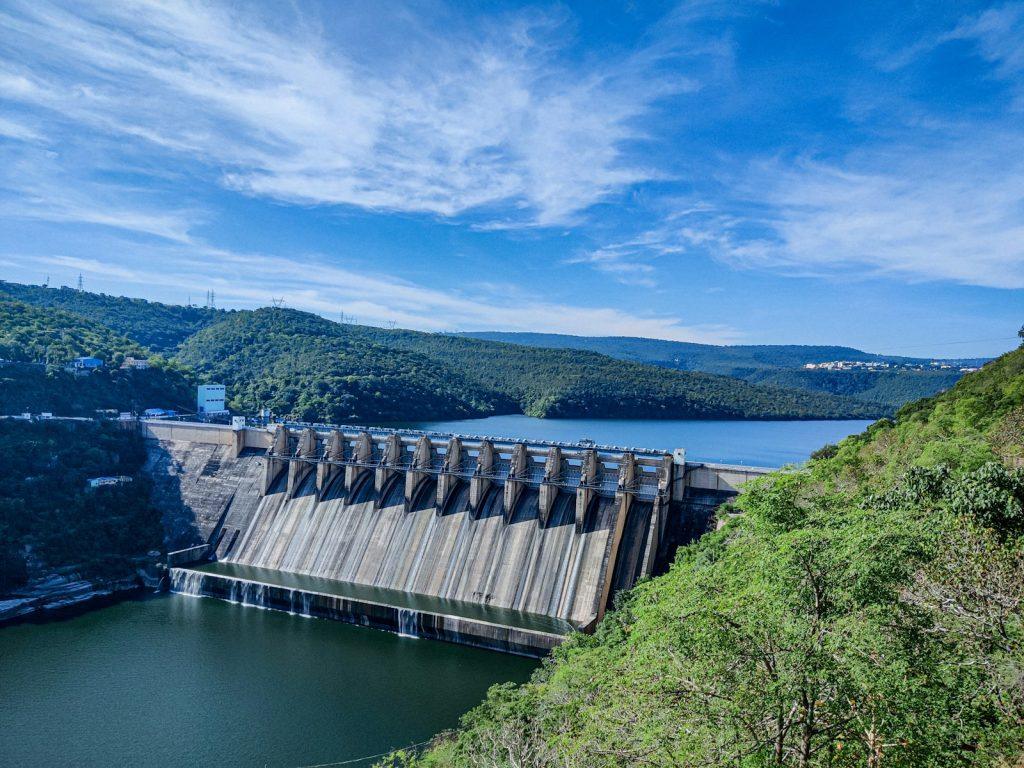
Under the plan, the spillway wall of the dam will be raised by 1.5 meters, increasing its reservoir volume by an estimated 173 cubic hectometers of water. A new spillway will be built alongside the existing structure, incorporating advanced discharge technology aimed at improving the dam’s capacity to manage water flow during periods of heavy rain.
Officials from the National Environment Management Authority said the project is intended not only to generate additional electricity but also to lessen the risk of flooding downstream — a recurring concern in regions along the Tana River. The extended catchment area for the project encompasses several counties, including Kitui, Garissa and Tana River.
Masinga Dam, commissioned in 1982, stands roughly 60 meters high and stretches about 2,200 meters in length, with a storage capacity of roughly 1.56 billion cubic meters across some 120 square kilometers. It plays a significant role in Kenya’s hydropower production and its broader energy strategy.
The environmental review also highlighted potential challenges tied to the construction, including occupational hazards, increased noise and potential disruption to local vegetation. To mitigate those risks, regulators said contractors will be required to implement comprehensive safety training, strict handling protocols for fuels and chemicals, and site-specific environmental management plans.
Kenya’s focus on expanding hydroelectric capacity comes as part of a broader national effort to boost renewable energy production. The Kenya Electricity Generating Company has committed to increasing green power on the grid in the coming decade, even as authorities explore supplementary sources such as solar and geothermal energy to meet rising demand.
As the government moves ahead with the Masinga project, analysts say the increased capacity could help stabilize electricity costs and reduce reliance on more expensive thermal generation, particularly during dry spells that strain hydroelectric output.
