
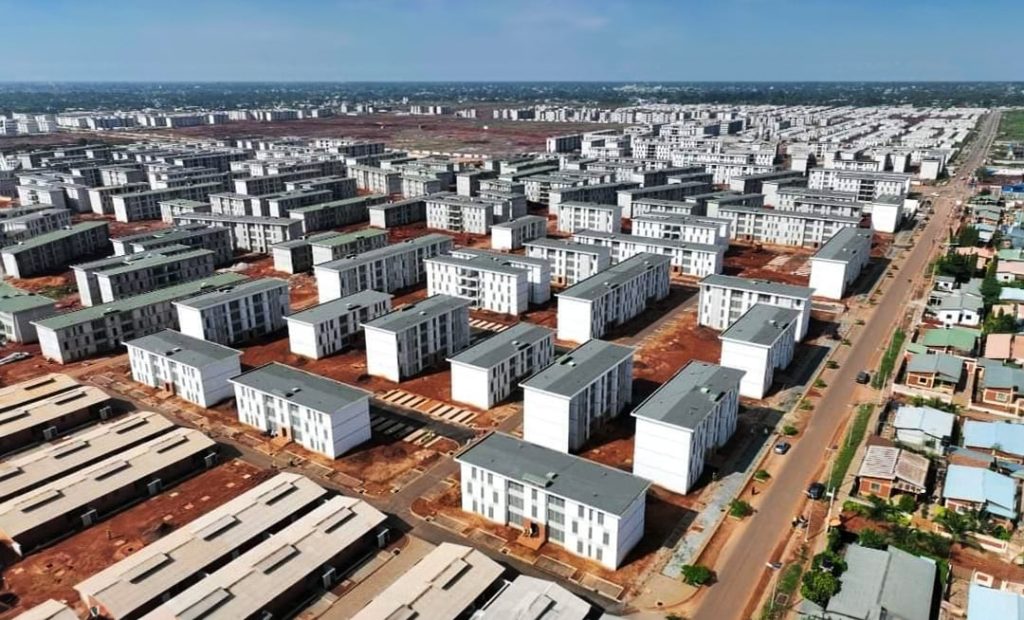
In Namibia, the government unveiled an ambitious plan to build 50,000 homes this fiscal year under direct presidential mandate, with a focus on expanding access to finance for public servants and workers in rural areas, a nod to the idea that solutions must reach beyond crowded cities. The Namibian housing minister noted that housing shortages are a global phenomenon but emphasized the need to tailor responses to Africa’s unique demographic pressures.
Nigeria’s housing minister, Ahmed Musa Dangiwa, challenged widely circulating estimates of a 30 million-unit deficit in his country, asserting that more reliable data on housing needs will help improve planning and investment decisions. He identified public-private partnerships and land-use reforms as key tools to bring down costs and expand access to homes for low- and middle-income residents.
Across the continent, housing officials say that traditional aid models are insufficient to close the gap, which analysts estimate could reach 130 million units by 2030 unless actions are accelerated. Sub-Saharan Africa’s housing finance gap is estimated at more than $1.4 trillion, reflecting limited investment, weak mortgage markets and the absence of large-scale institutional capital in housing.
Some governments are experimenting with new models that might offer a way forward. Kenya, for example, has partnered with international institutions on innovative mortgage refinance programs to unlock cheaper credit for developers and buyers. At the same time, lenders such as Absa Bank have set aside substantial funds specifically for affordable housing finance in recent years.
Urban planners and development experts say that progress will require more than building houses; it will also demand reforms that reduce regulatory obstacles, streamline land titling and integrate housing into broader infrastructure and growth strategies. The African Development Bank and U.N. agencies are stepping up efforts to support cities on planning and financing, recognizing that sustainable urban housing is central to economic resilience and inclusive development.
Despite the daunting figures, leaders at the Abuja meeting made it clear that homegrown solutions and stronger continental cooperation, involving private investment, public financing, and community engagement, are essential if Africa is to meet the housing needs of its fast-growing cities.
